Water Damage Reconstruction for Texas Condos and Apartments
Rebuilding framing, drywall, and finishes once the building is dry, with the source corrected
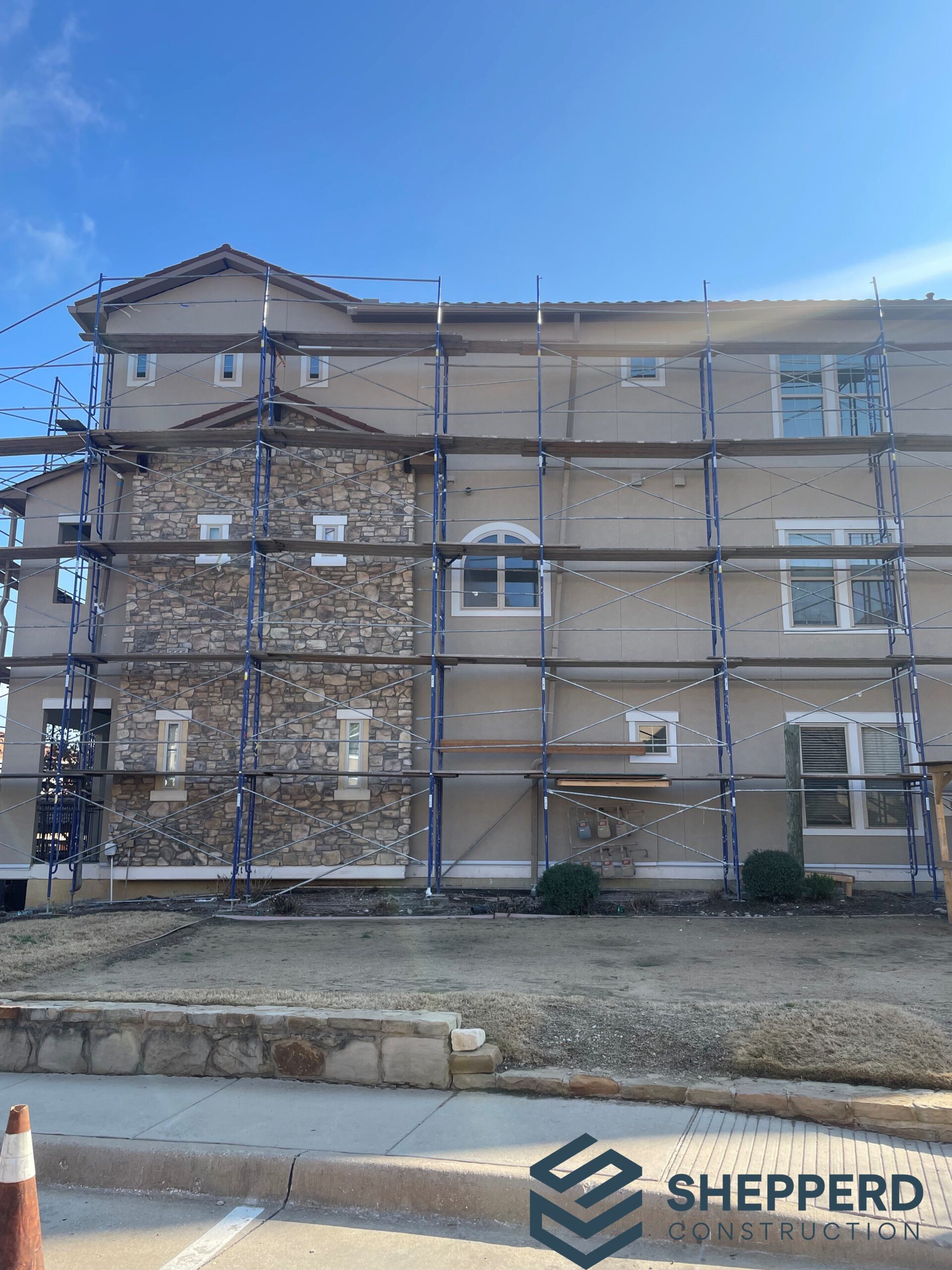
Drying out a building is only the first half of a water loss. Shepperd Construction provides water damage reconstruction for multifamily and commercial properties across Texas, rebuilding framing, drywall, flooring, and finishes after leaks, floods, and pipe breaks, and correcting the source so the damage does not return.
- Source Corrected, Not Just Finishes
- Actionable Cost of Repair Estimates
- No-Obligation Consultation
Water damage reconstruction is the rebuild that follows water mitigation. Mitigation firms extract water and dry the structure; the reconstruction contractor replaces damaged framing, sheathing, insulation, drywall, and finishes, and repairs whatever let the water in.
Rebuild the Damage and Fix the Cause
On multifamily buildings, water rarely stays in one unit. It runs through walls, ceilings, and floor systems, and it often damages structure that only becomes visible once the drywall is cut. Rebuilding finishes without checking framing and sheathing, or without fixing the source, leads to the same damage a season later.
Our reconstruction after water damage starts by confirming what got wet and why. If the source is the building envelope, we correct it; if it is unclear, water intrusion testing comes first. Our guide on how to know if water damage requires reconstruction explains where repairs end and reconstruction begins.
Hidden Damage Found
Framing and sheathing are checked once walls are open, not assumed to be sound.
Source Corrected
Envelope, roof, or plumbing sources are repaired as part of the same scope.
Units Back in Service
Work is phased so residents return to finished units as quickly as possible.
When Water Damage Needs Reconstruction
Mitigation should come first. Call a reconstruction contractor when you see:
- Drywall, insulation, or flooring removed during dry-out
- Damage spread across several units or floors
- Soft, stained, or rotted framing and subfloor
- Repeated leaks in the same area over time
- Mold found behind walls after a leak
- Burst pipes after a freeze like Winter Storm Uri
- Ceiling or wall damage below balconies and roofs
If mold is involved, our article on when mold remediation becomes reconstruction covers the triggers.
What Water Damage Repair Involves
Every project starts with the mitigation records and moisture readings, so we know the structure is dry before anything is closed up. We then remove remaining damaged materials, repair or replace framing and sheathing, and rebuild insulation, drywall, flooring, cabinets, and finishes to match the rest of the building.
When the water came from outside, the scope also includes the envelope repair, whether that is flashing at a window, a failed roof detail, or a balcony draining into the wall. For large or recurring losses, building envelope repair keeps the rebuilt units dry.
Who We Work With on Water Losses
Water losses involve managers, boards, mitigation firms, and adjusters. We coordinate with each.
Property Managers & HOA Boards
One point of contact, unit scheduling, and resident notices. See our HOA work.
Mitigation Companies
A clean handoff once drying is confirmed, so units move straight into the rebuild.
Owners & Adjusters
Line-item scopes and documentation of hidden damage found during the work.
Water Damage Reconstruction Services
As a water damage reconstruction contractor, we cover the rebuild from structure to finishes.
Framing & Subfloor Repair
Rotted or damaged framing and subfloor replaced once exposed.
Sheathing Replacement
Water-damaged wall and roof sheathing removed and replaced.
Drywall & Insulation
Walls and ceilings rebuilt after the structure is confirmed dry.
Flooring & Finishes
Flooring, trim, cabinets, and paint restored to match.
Freeze Damage Repair
Walls and ceilings rebuilt after pipes burst in a freeze.
Envelope Source Repair
Flashing, windows, and roof details that let water in corrected.
Multi-Unit Phasing
Work sequenced across units and floors to limit displacement.
Hidden Damage Documentation
Concealed damage recorded for the owner and adjuster.
How a Water Damage Rebuild Runs
Rebuilds after water damage follow a predictable sequence once mitigation is complete.
We review mitigation records and moisture readings before any work is closed in.
Damaged materials and the source repair become one line-item scope.
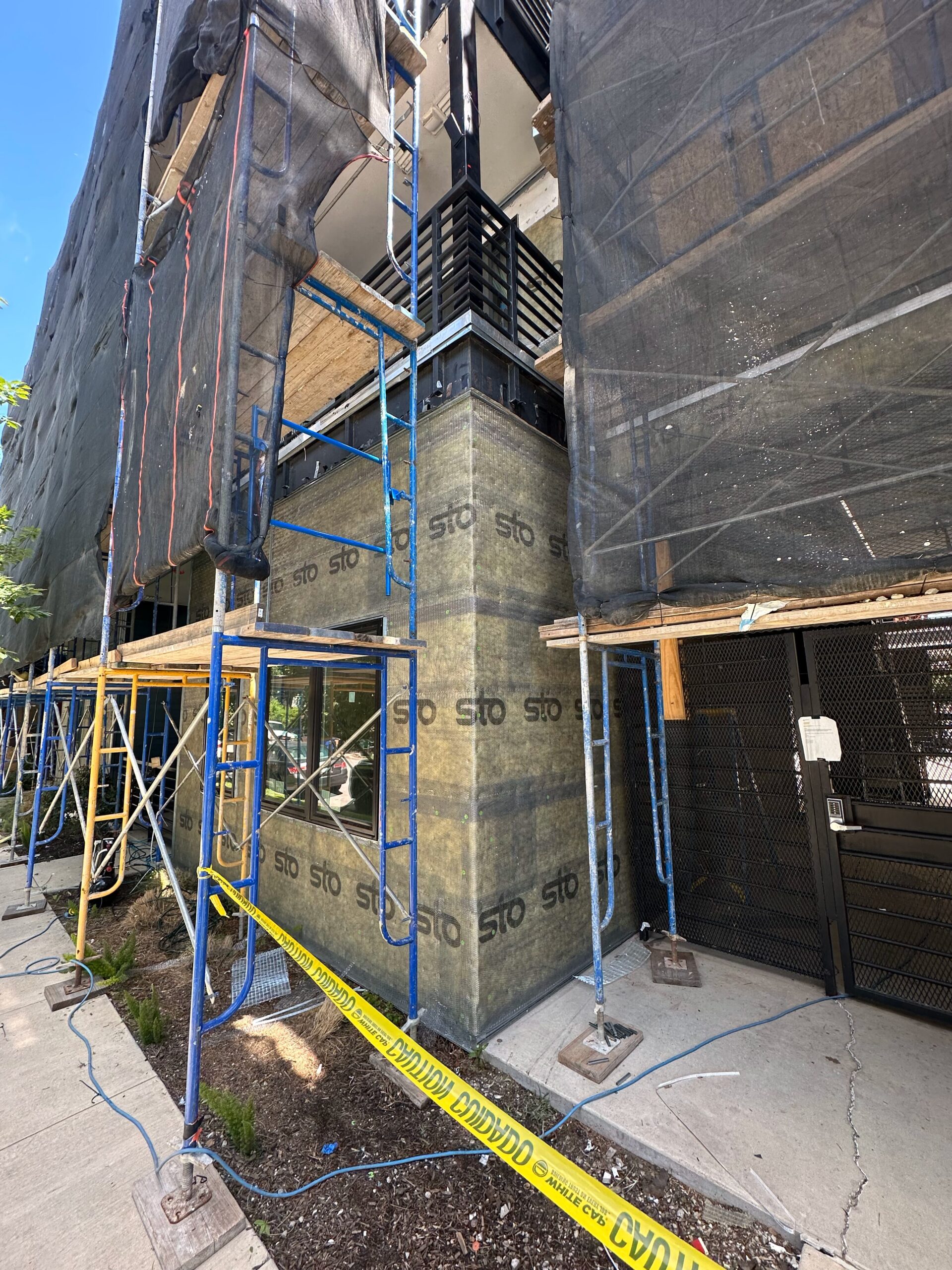
Framing, sheathing, and the water source are repaired first.
Units are finished, inspected, and returned to residents.
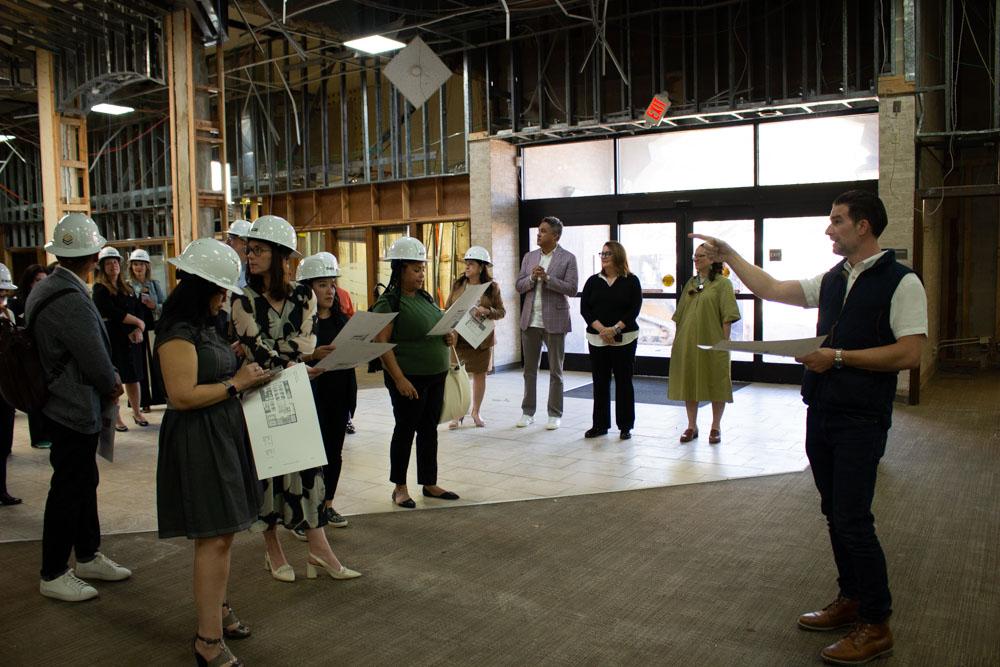
Why Boards Call Shepperd After a Water Loss
- 12 Years of Experience
- 500 Projects Completed
- Offices in Dallas, Austin & San Antonio
- 100% Licensed & Insured
Water Damage Rebuilds Across Texas
Dallas
Water damage rebuilds for condos and apartments across Dallas and the DFW Metroplex.
Fort Worth
Reconstruction after leaks and storm water damage in Tarrant County.
Austin
Rebuilds after leaks, floods, and freezes for buildings in Central Texas.
San Antonio
Rebuilds of water damage behind stucco and EIFS across South Texas.
Related Services
Water damage often starts with an open question about where it came from. These services help answer it.
Water Intrusion Testing
Controlled testing that finds where rainwater enters before a repair is scoped.
Insurance Restoration
Restoration of insured damage, from emergency protection to final reconstruction.
Building Envelope Repair
Engineer-led repair and reconstruction of exterior walls, windows, and transitions.
Frequently Asked Questions
It is the rebuild that follows water mitigation: replacing damaged framing, sheathing, insulation, drywall, flooring, and finishes, and repairing the source of the water so the damage does not come back.
No. Mitigation removes water and dries the building. Reconstruction rebuilds what the water damaged. Mitigation companies handle the first step; we take over once drying is confirmed.
When damage reaches framing, sheathing, or subfloor, spreads across several units, or keeps returning. Small, surface-level damage can often be repaired; anything structural or recurring usually needs a rebuild.
We review the mitigation company’s moisture readings and check conditions ourselves before closing walls or ceilings. Closing in wet framing traps moisture and leads to mold and rot.
Yes. When the water came through the envelope, roof, or a balcony, the repair is part of our scope. When the source is unclear, we recommend testing before the rebuild starts.
Residents in unaffected units usually stay. For damaged units, we sequence work to get residents back as soon as possible and keep the manager updated on every unit’s status.
Yes. After Winter Storm Uri we helped multiple churches recover from interior pipe breaks. Freeze damage usually needs walls and ceilings opened, framing checked, and finishes rebuilt.
We serve properties across Texas, with teams in Dallas, Fort Worth, Austin, and San Antonio.
Plan Your Water Damage Rebuild
Tell us where the water came from and which units are affected
Share the property type, the affected units, and any mitigation or moisture reports you have. We will review them and plan the rebuild and the source repair together. Prefer to talk first? Use our contact page.
- Source Corrected, Not Just Finishes
- Actionable Cost of Repair Estimates
- No-Obligation Consultation