Leak Investigation

Water Intrusion Testing for Texas Multifamily Buildings

Find where rainwater is entering the building before you pay for another repair

Leaks that move, return, or show up in several units rarely start where the stain is. Shepperd Construction provides the field side of water intrusion testing across Texas: access, controlled water testing support, selective openings, and documentation, working alongside the engineer who determines cause.

Request a Water Intrusion Investigation

Water intrusion testing is a controlled way to find where water enters a building. Investigators apply water to one part of the exterior at a time, such as a window, a wall section, or a roof-to-wall transition, and watch the interior for leaks. Each result confirms or rules out one suspected path.

Why Test First

Stop Paying for Repairs That Guess

A ceiling stain on the third floor can start at a window two floors up, a balcony door, or a roof-to-wall transition. When the first repair is a guess, the leak returns after the next storm and the damage inside the wall keeps spreading. It is one of the most common reasons a leak keeps coming back after it has been fixed.

Testing replaces guesswork with evidence. A clear picture of how water is getting in lets your board fund the right repair once, and gives your engineer the data to write repair criteria that hold up.

Evidence Before Repairs

Each suspected path is tested on its own, so the repair targets the actual source of the leak.

Whole-Building View

Windows, walls, doors, balconies, and roof transitions are looked at together, not one trade at a time.

Data Your Engineer Can Use

Results are logged by test location with photos, ready for the engineer's report.

Warning Signs

When to Call for a Water Intrusion Inspection

These are the patterns that usually point to water getting in through the building envelope:

  • Water in the window or on the sill when it rains
  • Stains or soft, bubbling drywall around windows and doors
  • Water in the ceiling or wall with no plumbing cause found
  • Leaks that only appear with wind-driven rain from one direction
  • Stucco leaking into the unit, or water behind stone and siding
  • Water damage that keeps coming back after repair
  • Several units in the same building reporting leaks

If the leak tracks rain, it is an envelope question. If it runs constantly, rule out plumbing first. Our guide to who investigates water intrusion walks through who to call for each.

Construction crew inspecting overhead piping and structural elements in a basement area.

How We Find Where Rainwater Is Entering

A proper water intrusion investigation moves from broad to specific. It starts with drawings, repair history, and resident reports, then a walk of every elevation with moisture meters and, where conditions allow, infrared imaging to map wet areas.

Controlled testing comes next. Depending on the protocol your engineer sets, that can include spray rack and calibrated nozzle testing on walls and windows, chamber testing at windows and doors under ASTM E1105, and flood testing on balconies and decks. Where testing points to a hidden path, we make selective invasive openings to confirm what is behind the cladding, then close them properly.

Who We Work With on Leak Investigations

Water intrusion questions usually involve more than one party. We support each of them through the investigation.

Team gathered for a walkthrough as project lead explains renovation details.

Property Managers & Boards

Clear answers on where water is entering and what to fix first. See our HOA reconstruction work.

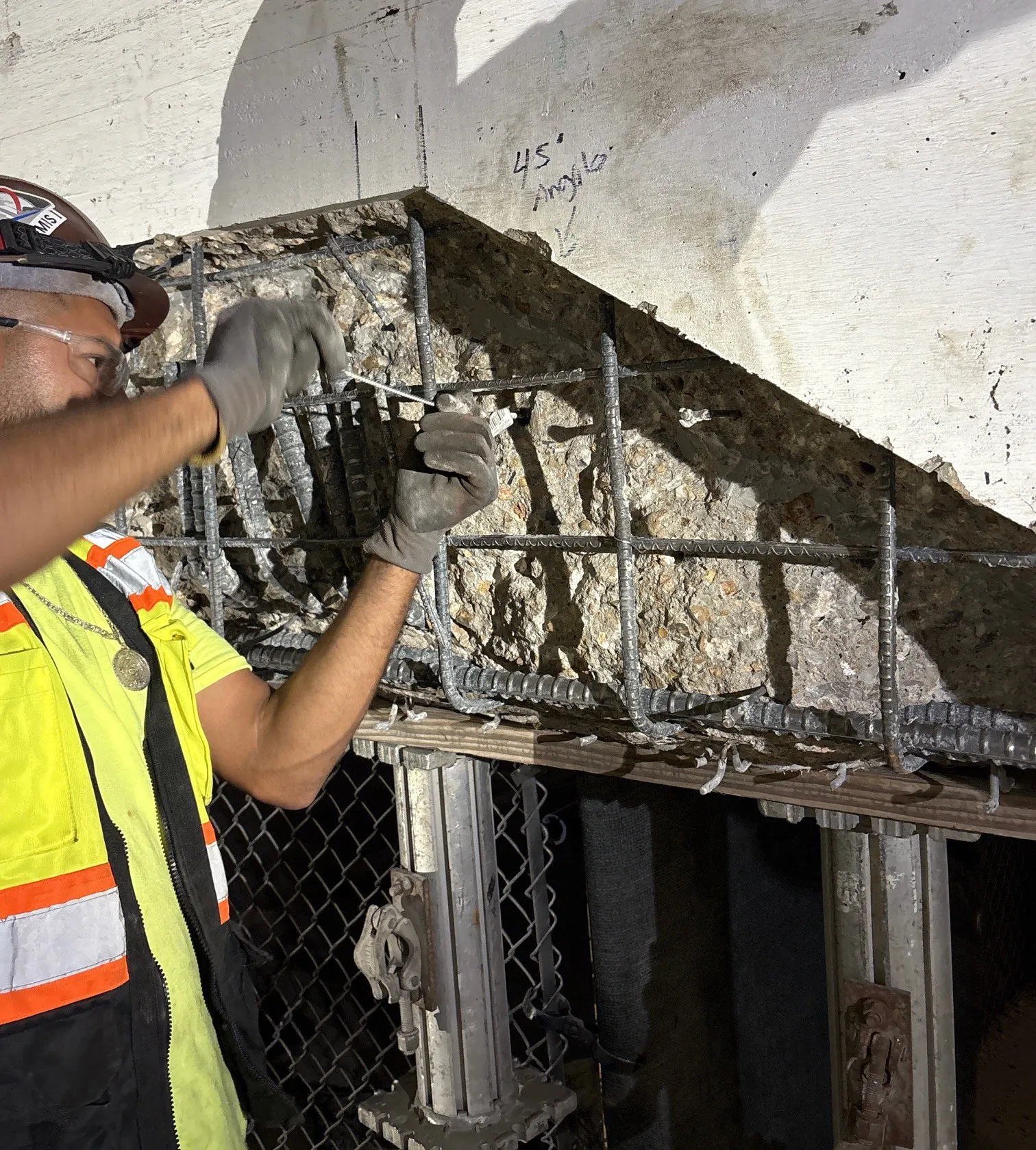
Worker inspecting exposed rebar and concrete during structural repair process.

Forensic Engineers & Consultants

Access, test set-up support, openings, and restoration, run to your written protocol.

Aerial view of large apartment complex undergoing exterior reconstruction work.

Condo Owners & Residents

Leaks in several units are a board-level issue. Our guide on water leaking into a condo unit explains who is responsible.

Scope of Work

Water Intrusion Testing Services

We provide the field work an investigation depends on, from the first walk to closed-up test openings.

Building Envelope Inspection

Elevation-by-elevation inspection of cladding, sealant, flashing, and openings.

Moisture Mapping

Moisture readings and thermal imaging to map wet areas before testing starts.

Window Water Testing

Spray and chamber testing at windows and doors to recognized field methods.

Wall & Transition Testing

Isolated testing of wall sections, floor lines, and roof-to-wall transitions.

Balcony & Deck Flood Testing

Flood testing of balconies, breezeways, and decks above occupied space.

Selective Openings

Targeted openings that confirm hidden paths, then closed and weather-protected.

Difficult Access

Rope access, swing stage, and lifts to reach upper elevations safely.

Documentation & Cost of Repair

Results by test location, plus a cost of repair once criteria are set.

How a Water Intrusion Investigation Runs

Investigations follow the same sequence whether the building has one leaking window or problems on every floor.

Group reviewing architectural plans inside building under renovation with exposed framing.
Step 1
Review & Interviews

We review drawings, repair history, and resident reports to list every suspected entry point.
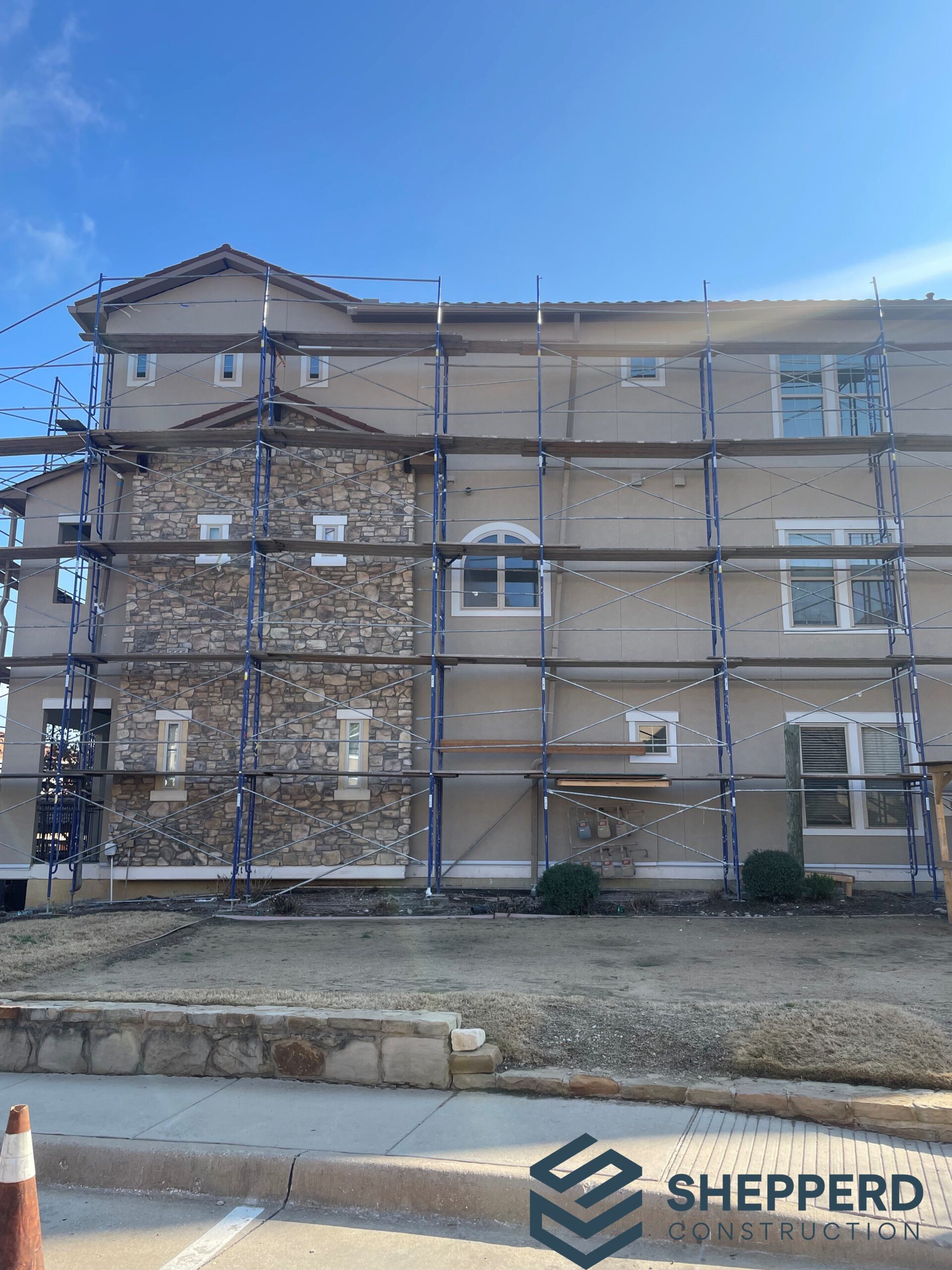
Scaffolding installed across multi-story residential building facade for exterior repairs.
Step 2
Inspection & Moisture Mapping

We walk the exterior and affected units, mapping wet areas and narrowing down test locations.
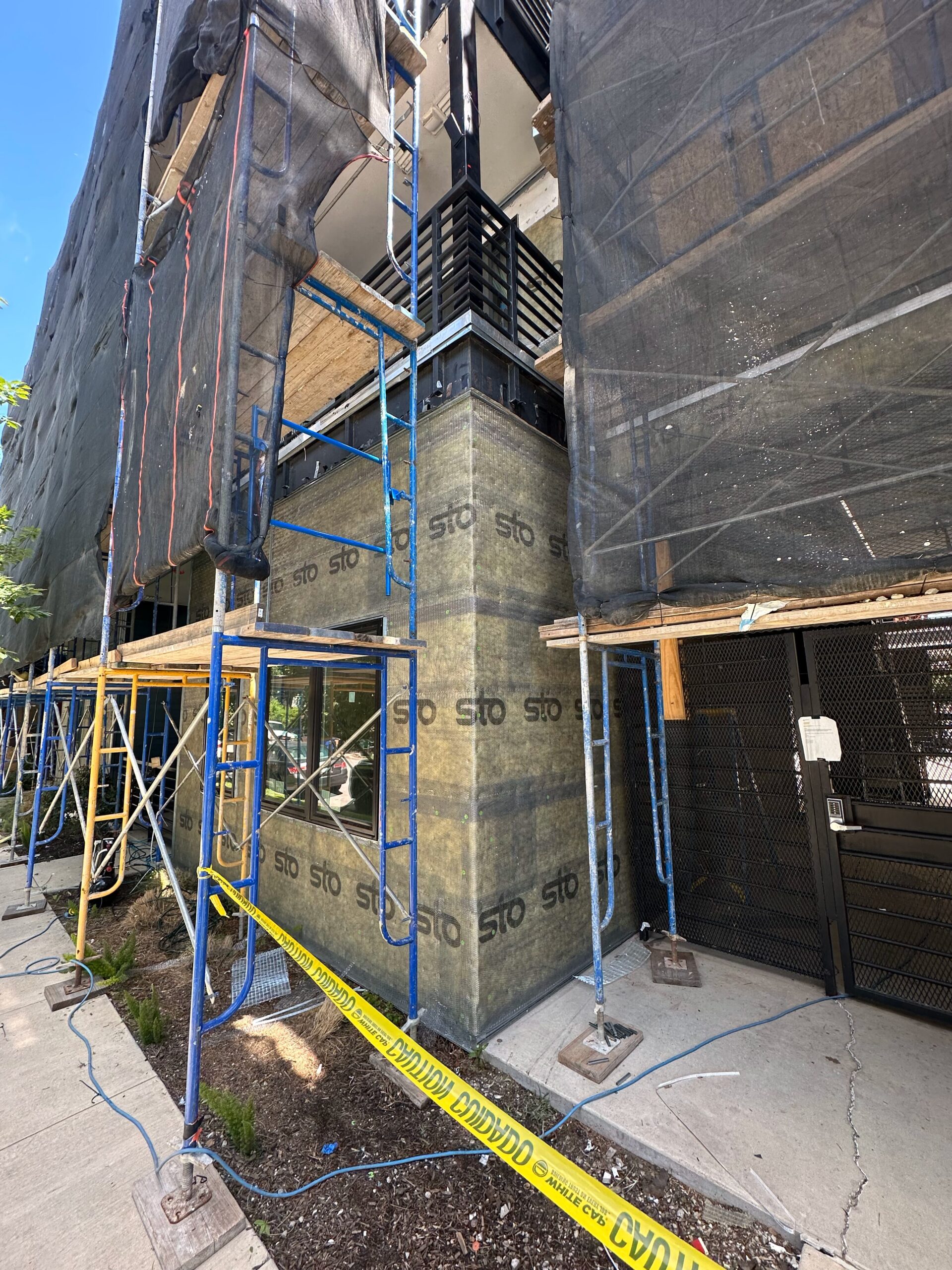
Scaffolding with protective netting surrounding building section during reconstruction work.
Step 3
Controlled Testing

Each suspected path is tested on its own, with interior observers recording when water appears.

Street view of building covered in scaffolding and safety mesh during renovation.
Step 4
Findings & Repair Path

Results are documented by location. Your engineer sets repair criteria, and we price the repair.

Group tour inside a partially gutted building led by construction team member.
Why Shepperd

Why Engineers and Boards Call Shepperd

We do not issue engineering or legal conclusions; your engineer determines cause. What we bring is the crew that can open a building carefully, test it methodically, document it clearly, and then build the repair.

Water Intrusion Testing Across Texas

Dallas

Leak investigations for condos and apartments across Dallas and the DFW Metroplex.

Fort Worth

Testing at brick veneer, stone cladding, and storm-exposed walls in Tarrant County.

Austin

Water intrusion investigations for multifamily and commercial buildings in Central Texas.

San Antonio

Testing on stucco and EIFS buildings across San Antonio and South Texas.

Related Services

Testing tells you where water is getting in. These services take the findings from investigation to a finished repair.

Construction worker climbing ladder to inspect stone exterior around window opening.

Invasive Testing

Disciplined openings and documentation for forensic engineers and defect cases.

Scaffolding installed across multi-story residential building facade for exterior repairs.

Building Envelope Repair

Engineer-led repair and reconstruction of exterior walls, windows, and transitions.

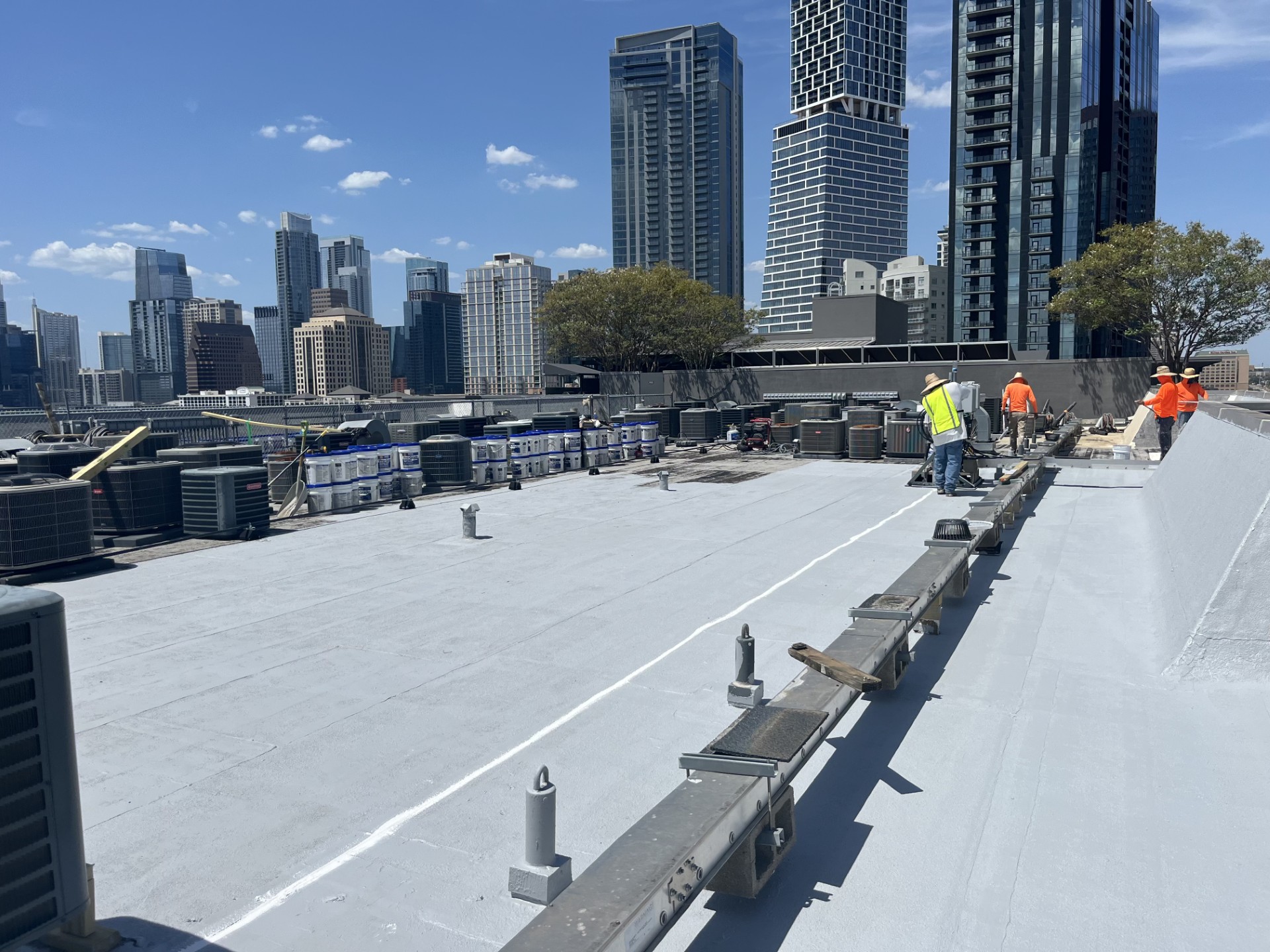
Crew working on a large commercial rooftop with city skyline in background.

Commercial Property Repair

Smaller repairs on occupied properties, handled by our dedicated Service Department.

Frequently Asked Questions

Cause is determined by a forensic engineer or building envelope consultant. A contractor like Shepperd provides the field work their investigation depends on: access, test set-up support, selective openings, documentation, and restoration. Our article on who investigates water intrusion covers each role in detail.

By testing one suspected path at a time. After reviewing history and mapping wet areas, water is applied to a single window, wall section, or transition while observers watch the interior. A leak that appears confirms that path; no leak rules it out. Repeating this across suspects narrows the source down.

ASTM E1105 is the standard field test method for water penetration of installed windows, doors, skylights, and curtain walls. Water is sprayed on the outside of the unit while a chamber on one side creates an air pressure difference, similar to wind-driven rain. It shows whether the window and its perimeter are letting water in.

Usually because the water is not coming through the joint that was caulked. Leaks around windows often come from failed sill pans, flashing that drains behind the water-resistive barrier, or the wall above the window. Testing shows which one it is before more money goes into sealant.

For a single, obvious defect, often not. For leaks that repeat, move, or affect several units, yes. An engineer or envelope consultant sets the testing protocol, determines cause, and writes repair criteria, which protects the board from funding the wrong repair.

Most testing is non-destructive. Selective openings are only made where testing points to a hidden path, and each one is closed, weather-protected, and restored. We plan testing around residents so units stay usable.

Cost is driven by building height and access method, the number of test locations, whether invasive openings are needed, occupancy and phasing, and weather windows. We scope the work with your engineer and price it once the protocol is set.

It depends on the number of test locations, access needs, and the weather. Testing has to be scheduled for dry conditions so results can be read clearly, so we plan field days around the forecast and keep the board updated on timing.

Leak Investigation

Find the Source of the Leak

Tell us where the water shows up and when

Share the property type, which units or elevations are affected, and any reports or repair history you have. We will review it with you and scope the investigation. Prefer to talk first? Use our contact page.

Request Your Water Intrusion Investigation