
Retaining Wall Repair for Texas HOAs and Commercial Sites
Leaning, bowing, cracked, and sinking walls repaired or replaced before they fail
A retaining wall that leans, bows, or cracks is telling you the soil and water behind it are winning. Shepperd Construction provides retaining wall repair for HOAs, apartment communities, and commercial properties across Texas, fixing the wall and the drainage behind it so the repair lasts.
- Drainage Included in Every Scope
- Actionable Cost of Repair Estimates
- No-Obligation Consultation
Retaining wall repair restores walls that hold back soil on a property, such as walls along parking areas, slopes, courtyards, and entries. It covers the wall, its footing, and the drainage that relieves water pressure behind it, which is the most common reason walls fail.
Water Pressure Is Usually the Cause
Most retaining walls fail because water builds up behind them. Clay soils swell, drains clog or were never installed, and the pressure on the wall grows with every heavy rain. The wall starts to lean, bow, or crack, and joints open up. Left alone, the wall can eventually collapse, taking parking, walkways, or landscaping with it.
Rebuilding the face without relieving that pressure only resets the clock. Our repairs look at the drainage behind the wall, the footing beneath it, and the condition of the wall itself. For taller or structural walls, we work to your engineer’s design.
Drainage Fixed First
Weep holes, drain pipe, and gravel backfill restored so water pressure stops building.
Repair or Replace
We repair walls that can be saved and rebuild sections that cannot, with clear reasons for each.
Engineer-Designed Walls
Taller and load-bearing walls are rebuilt to your engineer's design and details.
Signs a Retaining Wall Needs Repair
Retaining wall problems are easy to spot once you know what to look for:
- Leaning or tilting away from the soil it holds
- Bowing or bulging in the middle of the wall
- Horizontal or stair-step cracks in block or concrete
- Gaps opening at joints or at the wall ends
- Soil washing out at the base or through joints
- Water pooling or seeping at the foot of the wall
- Sinking sections, or cracks in the pavement above
Any wall that is moving or cracking near parking, walkways, or buildings should be assessed promptly. Smaller issues can often go through our repair service.
How Retaining Walls Are Repaired
The right repair depends on the wall type, its height, and why it is failing. For walls that are sound but poorly drained, repair can mean excavating behind the wall, installing new drain pipe and free-draining gravel, restoring weep holes, and resetting cracked or displaced units.
Walls that have rotated, lost their footing, or cracked through usually need partial or full retaining wall replacement. Taller walls and walls supporting parking or structures are rebuilt to a design from a licensed engineer. We also correct site grading and drainage so water is directed away from the wall afterward.
Who We Work With on Wall Repairs
Retaining wall problems affect safety, budgets, and the site. Each decision-maker gets clear information.
HOA Boards & Property Managers
Clear findings, safe work zones, and resident notices. See our HOA work.
Civil & Structural Engineers
Walls rebuilt to your design, with soil and drainage conditions reported as we excavate.
Owners & Asset Managers
Repair-or-replace options with a cost of repair, so wall work can be budgeted.
Retaining Wall Services We Provide
As a retaining wall contractor for multifamily and commercial sites, we handle the full range of wall work.
Drainage Restoration
New drain pipe, gravel backfill, and weep holes to relieve water pressure.
Crack & Joint Repair
Cracked blocks, joints, and caps repaired or reset.
Wall Section Rebuilds
Leaning or bowing sections taken down and rebuilt.
Full Wall Replacement
Failed walls replaced, built to an engineer's design where required.
Footing Repair
Undermined or settled footings repaired before the wall is rebuilt.
Grading & Surface Drainage
Site grading that sends water away from the wall.
Erosion Control
Soil washout at the base and ends stopped and stabilized.
Cost of Repair Estimates
Repair-or-replace options priced for board approval.
How a Retaining Wall Project Runs
Wall repairs often sit next to parking and walkways. A clear sequence keeps the site safe.
We inspect the wall, drainage, and surroundings, and review any engineering design.
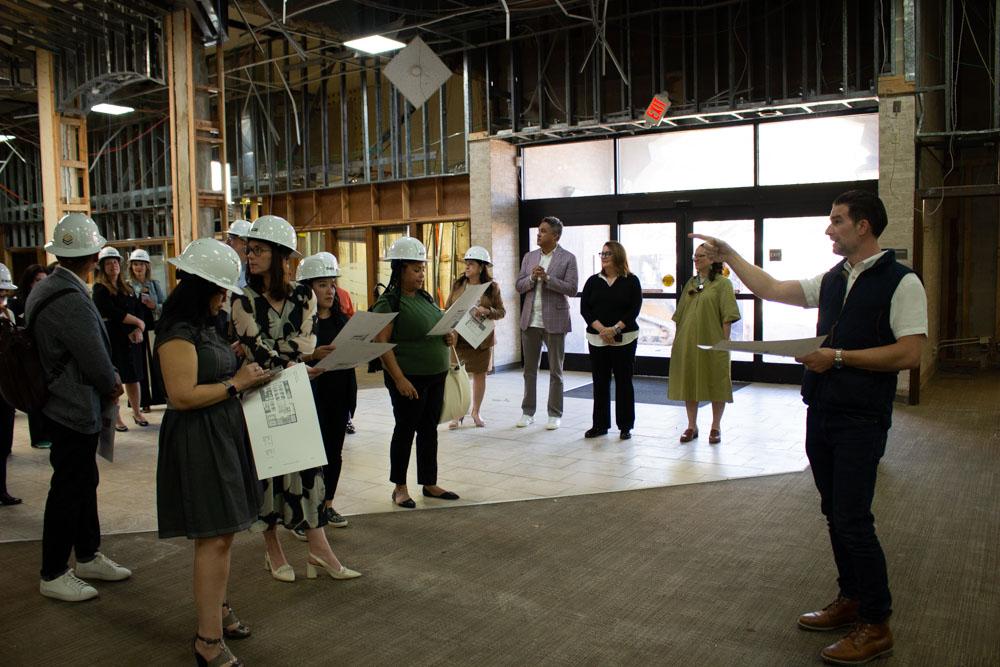
You receive repair-or-replace options with a clear cost of repair for approval.
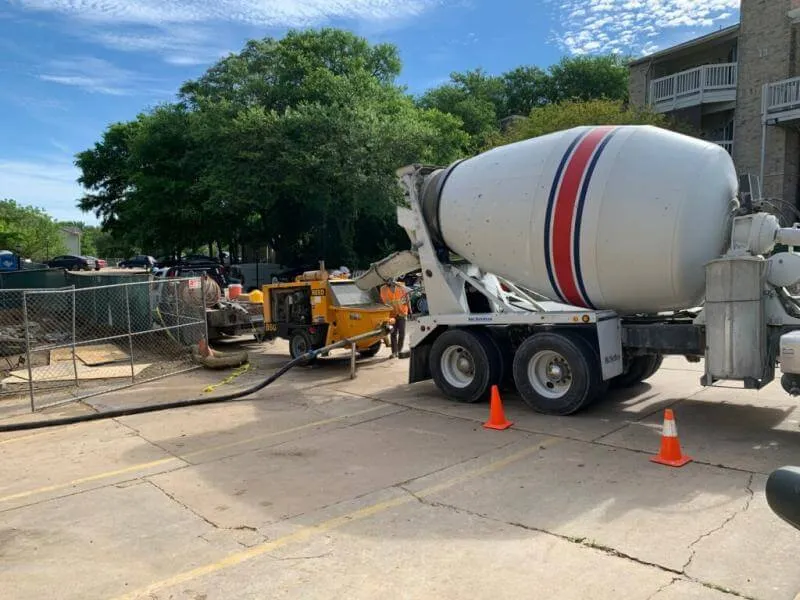
Crews excavate, repair or rebuild, and restore drainage with safe work zones in place.
Backfill, grading, and surfaces are restored, and the finished wall is walked with you.
Why Property Teams Call Shepperd for Wall Repairs
- 12 Years of Experience
- 500 Projects Completed
- Offices in Dallas, Austin & San Antonio
- 100% Licensed & Insured
Retaining Wall Repair Across Texas
Dallas
Wall repairs for HOAs and apartment communities across Dallas and the DFW Metroplex.
Fort Worth
Retaining wall repair and replacement across Fort Worth and Tarrant County.
Austin
Wall and drainage repairs on Central Texas clay soils and sloped sites.
San Antonio
Wall repairs on limestone and clay sites across San Antonio and South Texas.
Related Services
Wall problems often come with drainage and foundation issues. These services cover what usually goes with them.
Commercial Foundation Repair
Engineer-designed foundation remediation for multifamily and commercial buildings.
Commercial Concrete Repair
Spalling, cracked, and deteriorated concrete repaired on multifamily and commercial sites.
Commercial Property Repair
Smaller repairs on occupied properties, handled by our dedicated Service Department.
Frequently Asked Questions
Usually because water pressure behind the wall has built up, often from clogged or missing drainage. Expansive clay soils, an undersized footing, or a wall built taller than its design allows can also cause it to rotate. Leaning tends to get worse with each wet season.
Sometimes. Walls with minor movement and sound units can often be repaired by restoring drainage and resetting sections. Walls that have rotated significantly, cracked through, or lost their footing usually need partial or full replacement.
For taller walls, walls supporting parking or buildings, and any wall that is failing structurally, yes. Many cities also require engineered designs and permits above certain wall heights. Small, low walls can often be repaired without one. We work alongside your engineer either way.
It is the most important part of the wall. Drainage relieves the water pressure that pushes walls over. A wall without working drainage will keep moving no matter how well its face is repaired.
It depends on how far the wall has moved and why. Repair is usually less expensive when the wall is sound and the issue is drainage. Replacement is often better value when sections have rotated or cracked through, because repeated repairs on a failing wall rarely hold.
Cost depends on wall height and length, the wall material, access for equipment, how much excavation and drainage work is needed, and whether an engineered design is required. We assess the wall and provide a clear cost of repair with options.
Yes. We set up safe work zones, reroute pedestrians where needed, and give residents and tenants notice before any parking or walkways are affected.
We serve properties across Texas, with teams in Dallas, Fort Worth, Austin, and San Antonio.
Plan Your Retaining Wall Repair
Tell us where the wall is moving or cracking
Share the property type, photos of the wall, and any reports you already have. We will review them, walk the property, and give you a clear scope and cost of repair. Prefer to talk first? Use our contact page.
- Drainage Included in Every Scope
- Actionable Cost of Repair Estimates
- No-Obligation Consultation