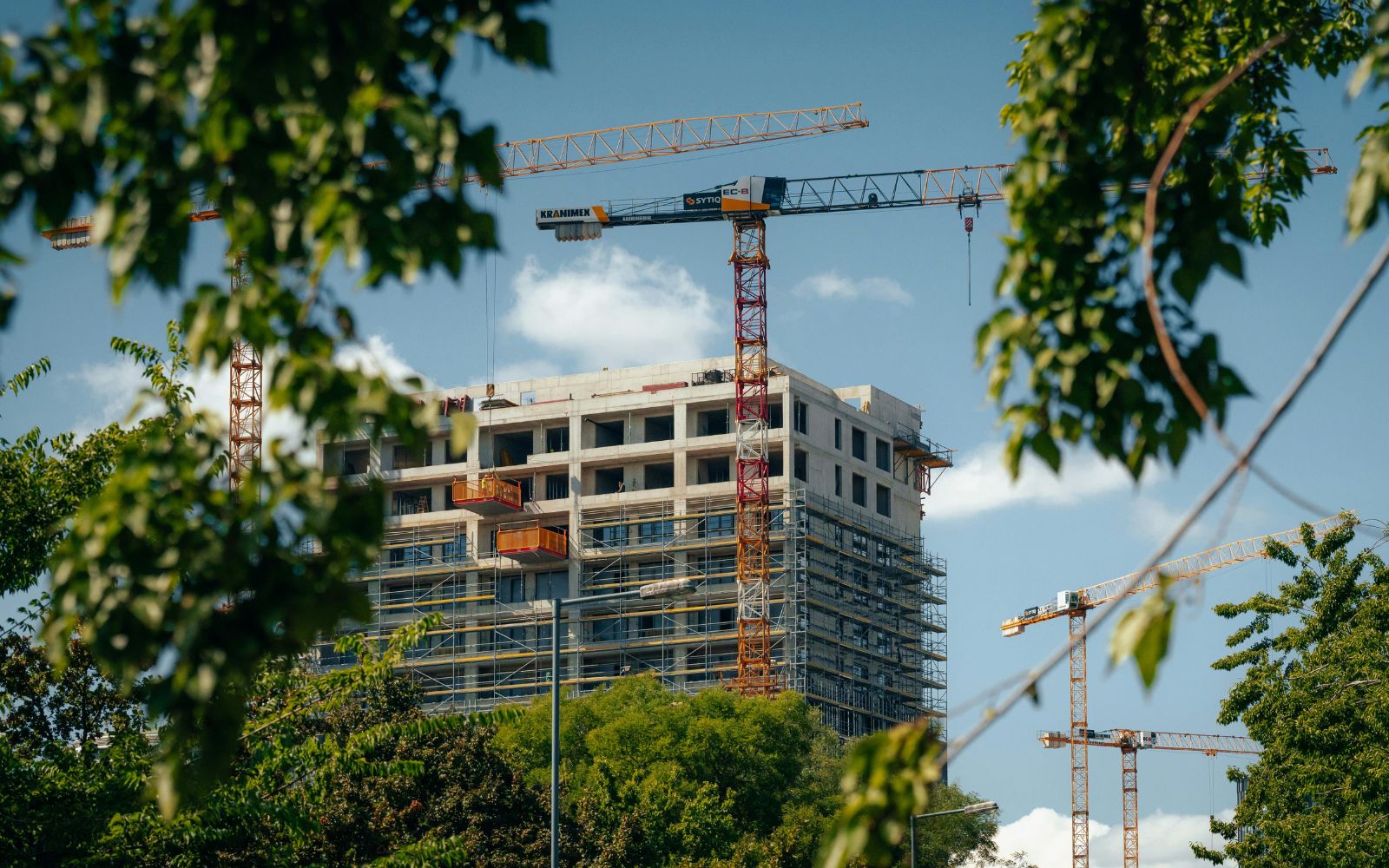
If my condo balcony is cracking and feels unstable, it’s not something to brush off or keep an eye on. In many cases, those visible signs point to deeper structural damage caused by water infiltration, aging materials, or construction defects. What looks minor on the surface can quietly compromise structural integrity.
In this article, we explain how to identify real structural risks, when repairs are enough, and when reconstruction becomes the only safe option.
My Condo Balcony Is Cracking and Feels Unstable: What This Means
If you’ve caught yourself thinking, My condo balcony is cracking and feels unstable, you’re right to pause. This isn’t just a maintenance issue; it can quickly become a safety issue. Balconies rarely fail without warning. The problem usually builds slowly, hidden beneath the surface, until something finally feels off.
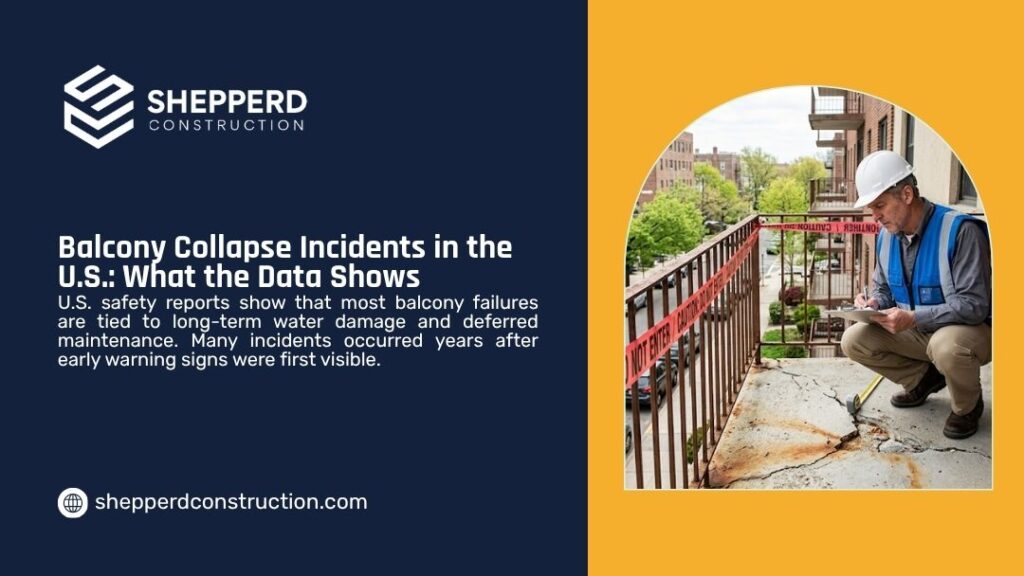
People notice it in stages. A crack appears. Paint begins to peel. Then one day, the structure doesn’t feel quite right underfoot. That subtle shift is often the moment where surface damage crosses into structural concern. The same corrosion mechanism drives spalling on parking structures and balconies, where flaking concrete and rust staining point to reinforcing steel already breaking down inside the slab.
Concrete doesn’t crack randomly. In many cases, moisture works its way inside the system and begins affecting internal reinforcement. Steel expands as it corrodes, forcing surrounding materials apart. So while the crack is visible, the real issue is often internal and already progressing.
Visible Signs of Balcony Damage You Should Never Ignore
Most balcony failures don’t start with a dramatic collapse. They start quietly, with small, easy-to-ignore changes. The problem is, those early signs are often the most important.
Before instability becomes obvious, the structure usually gives off warnings. Some are visual, others are physical. Together, they tell a much clearer story than any single symptom.
| Sign of Damage | What It Usually Means | Why It Matters |
| Peeling paint underneath | Moisture trapped inside the slab | Early sign of water infiltration |
| Rust stains near edges | Corroding metal components | Indicates internal structural stress |
| Cracks that widen over time | Progressive structural movement | Suggests load-bearing issues |
| Soft or hollow spots | Delaminated concrete | Loss of structural bonding |
| Standing water after rain | Poor drainage or slope failure | Leads to long-term deterioration |
| Uneven surface or tilt | Structural shifting | Potential safety risk |
These signs don’t always appear together, but if your condo balcony is cracking and feels unstable, those early signs are no longer early; they’re indicators of bigger structural change.
Why Balcony Structures Start Failing Over Time
There’s rarely a single cause behind balcony failure. It’s usually a combination of water, time, and design limitations. Water tends to be the main driver. Once waterproofing systems begin to fail, moisture enters layers that were meant to stay dry. Over time, that leads to deterioration that isn’t immediately visible.
Industry findings show that moisture intrusion is one of the leading contributors to long-term structural damage in building systems. Add aging materials and environmental exposure, and the system gradually loses its ability to perform. The challenge is that this process doesn’t happen overnight. It builds quietly until the signs become impossible to ignore.
In many cases, what seems like a minor surface issue can point to a deeper building envelope problem. Situations like this are often connected to broader structural concerns, which is why understanding how to know if water damage requires reconstruction becomes important when assessing the full extent of the damage.
Structural Integrity Risks in Elevated Elements
Balconies function as elevated structural components, carrying weight beyond the main building envelope. That makes them more vulnerable than interior systems.
According to the City of Belmont, California, elevated elements require careful monitoring because once deterioration reaches a certain point, failure can occur without much warning.
If your condo balcony is cracking and feels unstable, the concern isn’t just visual damage. It’s whether the structure can safely handle everyday use. At that stage, the issue shifts from maintenance to risk management.
Balcony Repair vs Full Reconstruction: How to Know the Difference
Not every situation leads to reconstruction, but many do once structural damage reaches a certain level. A surface crack without movement can often be addressed through repair. Knowing when building damage requires full reconstruction instead of a targeted fix helps you judge whether your balcony cracking is cosmetic or structural. But when instability enters the picture, the situation changes. Internal deterioration tends to spread, and surface fixes no longer address the root cause.
| Condition Observed | Likely Solution | Outcome |
| Hairline cracking, no instability | Repair | Cosmetic improvement |
| Moisture intrusion, limited spread | Targeted repair | Short-term extension |
| Structural deterioration, instability | Reconstruction | Full system restoration |
This is where professional evaluation becomes critical. In many cases, property owners don’t realize they’ve crossed the line from repair into reconstruction until a detailed assessment is completed.
For deeper insight into this transition, understanding when repair is no longer enough for a building system can clarify the next step.
Common Repair Solutions for Cracked Condo Balconies
When damage is still limited, repair solutions can extend the lifespan of the balcony. Balcony floor repair addresses surface deterioration, while leaking balcony repairs focus on stopping active moisture intrusion. Balcony flashing repair plays a key role in redirecting water away from vulnerable areas.
| Repair Method | What It Addresses | When It Works |
| Balcony floor repair | Surface wear | Early-stage issues |
| Leaking balcony repairs | Water intrusion | Active leaks |
| Balcony flashing repair | Drainage failures | Edge-related issues |
These methods can be effective, but only if the structure underneath remains structurally sound.
Cost Breakdown: What Property Owners Should Expect
Costs vary depending on the severity of the issue. Many people ask how much it costs to waterproof a balcony, but waterproofing alone doesn’t solve structural problems.
| Scope | Cost Range | Notes |
| Waterproofing only | $3–$10 per sq ft | Preventative |
| Moderate repair | $2,000 to $10,000 | Partial system work |
| Full reconstruction | $10,000 to $30,000+ per project | Structural involvement |
Their cost models consistently show that structural repair and reconstruction costs rise significantly due to labor intensity, material replacement, and access challenges, especially in occupied buildings. If your balcony is part of a condo or multifamily community, our guide on how HOAs handle balcony reconstruction costs explains what shapes the final price and how responsibility gets divided between the association and individual owners.
That’s the reality most property owners run into. The longer the issue sits, the more complex and expensive the solution becomes.
Who Is Responsible in a Condo or HOA Situation
Responsibility often depends on governing documents, but balconies are commonly treated as part of the building envelope, which places them under HOA responsibility.
That said, surface-level elements may still fall to individual owners. This shared responsibility often requires coordination between property managers, engineers, and contractors.
For communities managing these situations, working with specialists experienced in reconstruction contractors for HOA properties can help align technical decisions with ownership responsibilities.
Why Professional Inspections Matter More Than You Think
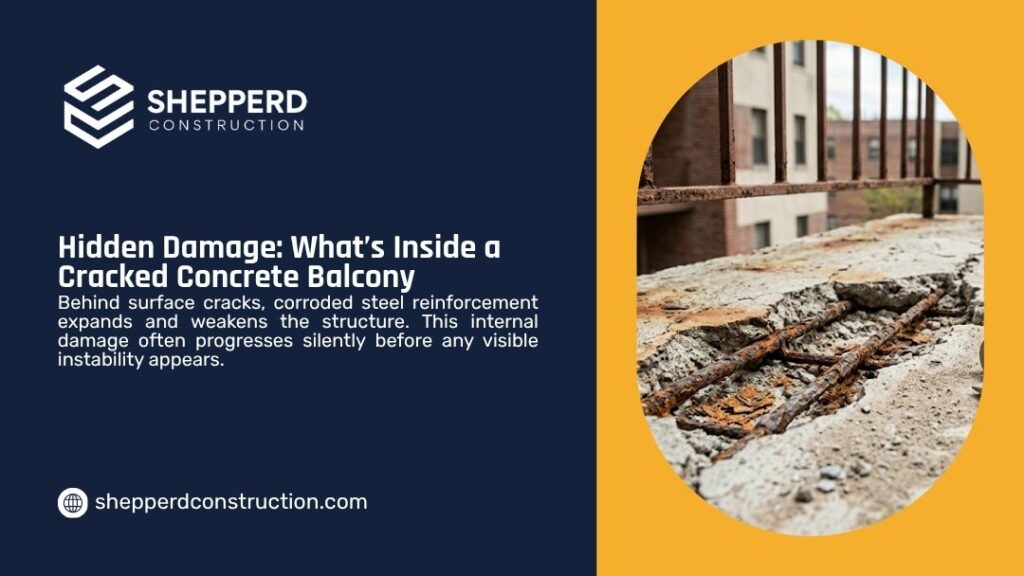
A balcony rarely tells the full truth just by looking at it. What you see on the surface is often only a fraction of what’s happening inside. Professional inspections, particularly those performed by structural engineers, go deeper. They assess internal conditions, material degradation, and load capacity, things that aren’t visible during a walkthrough.
Here’s where it becomes critical. Many balconies that appear fine externally are already compromised internally. Water intrusion doesn’t stay on the surface. It moves inward, affecting reinforcement, connections, and overall structural integrity.
The American Society of Civil Engineers has repeatedly emphasized that early structural assessments are key to preventing failures in aging building components.
For property managers and HOAs, inspections also serve another purpose. They create documentation, something that becomes essential if repairs, insurance claims, or legal considerations come into play later.
This is especially important in building envelope systems, where damage often spreads internally before becoming visible.
Choosing the Right Reconstruction Contractor for Large Projects
Reconstruction requires a different level of expertise than standard construction. It involves diagnosing existing failures, coordinating with engineers, and working within occupied environments.
Contractors with building envelope expertise understand how water intrusion, structural damage, and material performance interact over time. This kind of experience becomes essential when projects involve multiple units or shared structural systems.
For property owners evaluating options, reviewing how to choose a reconstruction contractor for large projects can help avoid costly missteps.
Service Areas and Specialized Reconstruction Support in Texas
Balcony issues don’t happen in isolation from their environment. In Texas, conditions play a big role in how these systems age. Heat expansion, heavy rain cycles, and UV exposure all affect waterproofing systems and materials over time. What works in one region doesn’t always perform the same in another.
That’s why reconstruction work in Texas often requires a more localized approach. Contractors familiar with conditions in Austin, Dallas, Fort Worth, and San Antonio tend to approach balcony systems differently, especially when it comes to drainage, material selection, and long-term durability.
In multifamily environments, particularly condominiums and HOA-managed properties, reconstruction also has to account for residents, access limitations, and phased work. That level of coordination isn’t typical in standard construction; it’s specific to reconstruction-focused teams.
When Balcony Damage Becomes a Safety Emergency
There’s a clear line between maintenance and immediate risk, and it usually comes down to movement. If my condo balcony is cracking and feels unstable, and you notice any of the following: shifting under weight, separation from the building, or audible cracking, the situation has already escalated.
At that point, the concern is no longer about long-term repair. It’s about whether the structure can safely support use right now. Balconies are designed with load capacity in mind. Once that capacity is compromised, failure doesn’t require extreme conditions. Normal use can be enough.
Restricting access and arranging a professional inspection immediately is the safest course of action. Waiting, even for a short period, can increase risk, especially in shared residential environments.
How to Prevent Future Balcony Damage
Prevention isn’t complicated, but it does require attention before problems become visible.
Most balcony systems rely on waterproofing layers, drainage slopes, and sealed connections to keep water out. Over time, those systems wear down. Without maintenance, small failures turn into entry points for moisture.
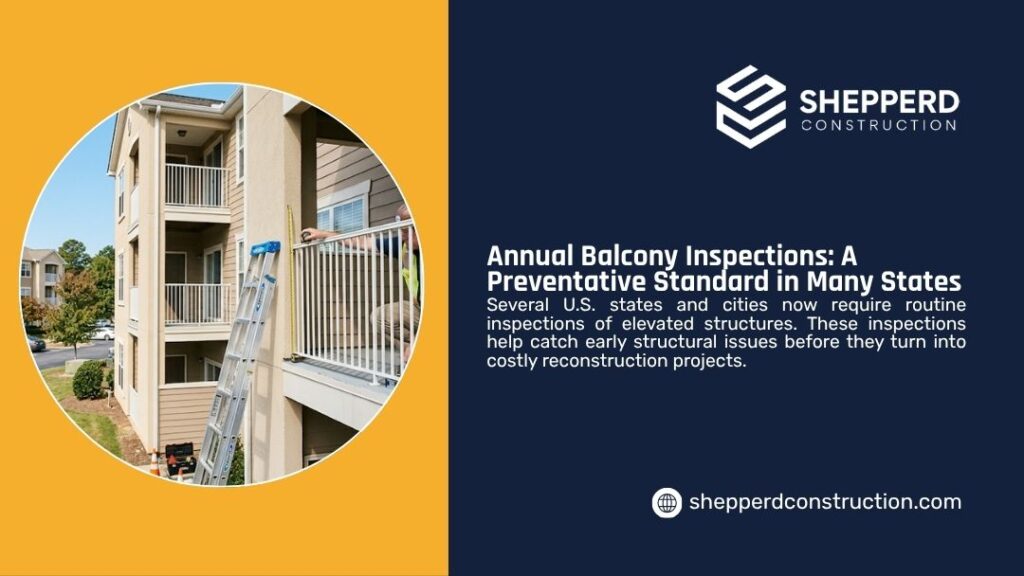
Routine balcony inspections are one of the simplest ways to catch issues early. These don’t need to be invasive, just consistent. Checking for standing water, sealant failure, or early cracking can help identify problems before they spread.
Another key factor is drainage. Balconies that hold water, even briefly, tend to deteriorate faster. Adjusting the slope or improving drainage paths can significantly extend the life of the system.
In larger properties, especially those managed by HOAs or property managers, setting a regular inspection cycle often prevents the kind of damage that leads to reconstruction.
What Happens If You Ignore Balcony Damage
Balcony damage doesn’t stay where it starts. It spreads, slowly at first, then faster as materials weaken. Water continues to move deeper into the structure. Steel continues to corrode. Concrete continues to separate. What began as a small crack can eventually affect the entire system.
There’s also a financial side to it. Repair costs increase as damage expands. What could have been addressed early with targeted repairs often turns into full reconstruction when left alone. In some cases, ignoring the issue introduces liability. In shared residential buildings, structural failure doesn’t just affect one unit; it affects multiple occupants.
That’s why these situations are rarely left unresolved once properly identified. The sooner the issue is addressed, the more options remain available.
FAQs
How to tell if a balcony is structurally sound?
A structurally sound balcony feels solid underfoot, shows no movement, and has no widening cracks, rust stains, or water pooling. The surface should remain level, and there should be no separation where the balcony meets the building. If anything feels loose or uneven, it’s worth having it checked.
Should I tell my landlord if the floor of my balcony is growing cracks?
Yes, you should report it right away. Even small cracks can point to underlying issues, especially in shared structures like condos. It’s better to document it early before it turns into a larger repair or safety concern.
How to fix a cracked balcony?
It depends on the cause. Surface cracks can sometimes be sealed and waterproofed, but cracks tied to structural damage usually require more involved repair or partial reconstruction. The right fix starts with identifying whether the damage is cosmetic or structural.
What are the 5 types of structural failure?
The most common types include overload failure, fatigue failure, corrosion-related failure, foundation-related movement, and design or construction defects. In balcony systems, corrosion and water-related damage are often the main contributors.
What are structural red flags?
Warning signs include widening cracks, rust stains, soft or hollow areas, visible sagging, water intrusion, and any noticeable movement. These usually indicate that the structure is no longer performing as intended.
What does a structural crack look like?
Structural cracks tend to be wider, uneven, and may grow over time. They often run through the concrete rather than just along the surface and may appear alongside other signs like shifting or separation.
How long does a concrete balcony last?
A well-built concrete balcony can last 30 to 50 years or more, but that depends heavily on maintenance and waterproofing. Without proper care, deterioration can begin much earlier, especially in environments exposed to moisture.
Who is responsible for balcony repairs in a condo?
Responsibility varies, but structural components are often handled by the HOA.
How do I know if water damage is affecting my balcony?
Signs include peeling paint, rust stains, and persistent moisture. If your condo balcony is cracking and feels unstable, water damage is often already present.
What You Should Do Next
If you’re thinking, my condo balcony is cracking and feels unstable, the next step shouldn’t be guesswork. Start with a professional inspection. Get a clear evaluation of whether the issue is surface-level or structural. From there, you can determine whether repair or reconstruction makes sense.For property owners and managers, taking action early can prevent higher costs and reduce safety risks. Reaching out for a detailed assessment through a qualified reconstruction team, such as Shepperd Construction, provides clarity on what needs to happen next and how to move forward.