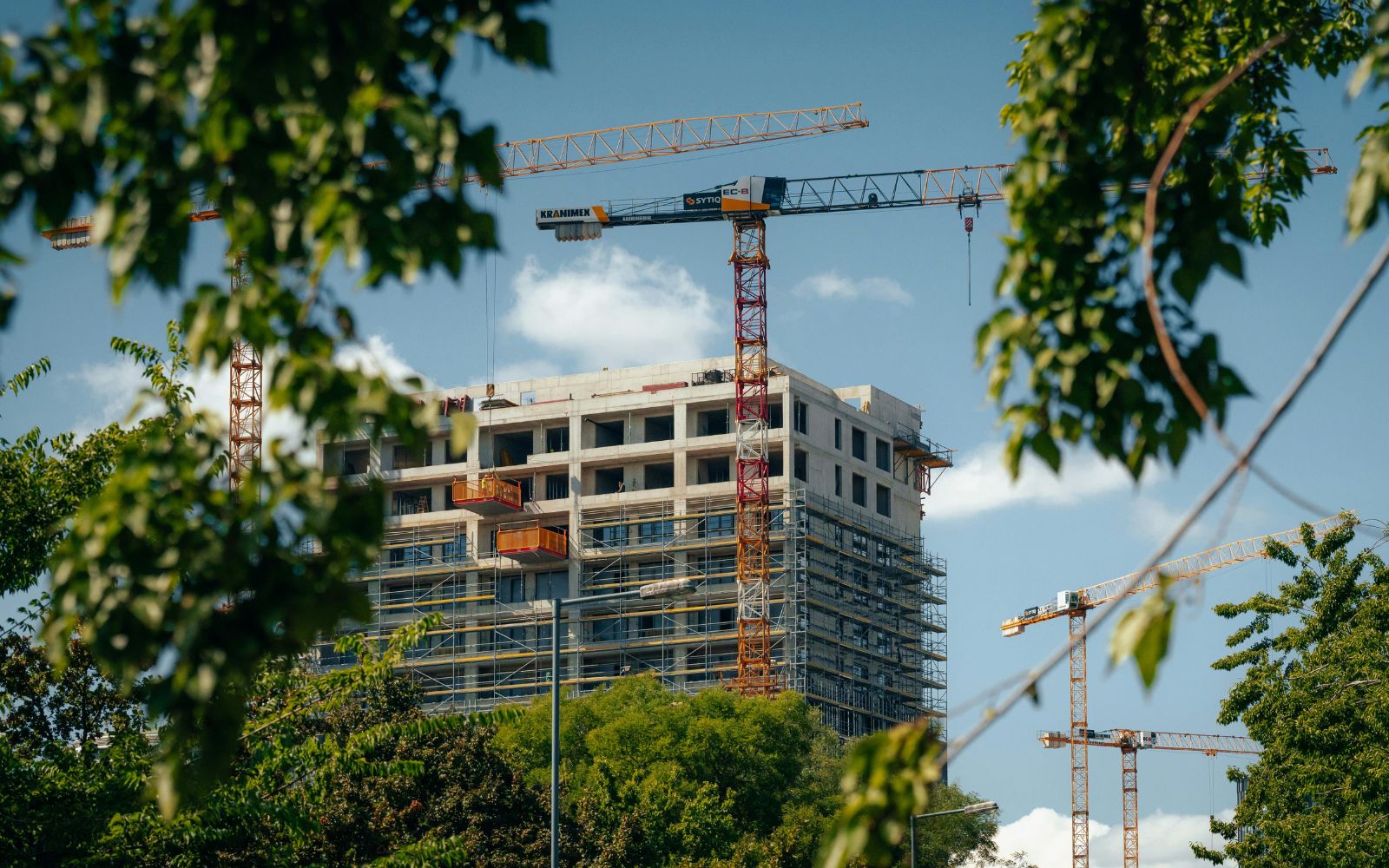
Managing reconstruction as a property manager requires structured planning, strict budget control, expert contractor selection, and disciplined tenant communication. Treat reconstruction like real estate development project management, not routine maintenance, to avoid cost overruns and legal risk.
This guide explains how to manage a reconstruction project as a property manager, from assessment and budgeting to contractor selection, tenant coordination, compliance, and final closeout. It reflects real-world reconstruction experience in Texas and aligns with real estate development project management best practices.
How to manage a reconstruction project as a property manager
Managing paint touch-ups is one job. Managing structural failure, envelope leaks, or post-litigation reconstruction is another world entirely. If you’re trying to understand how to manage a reconstruction project as a property manager, you’re not looking for surface advice. You’re looking for clarity on risk, budgets, tenants, engineers, contractors, and accountability.
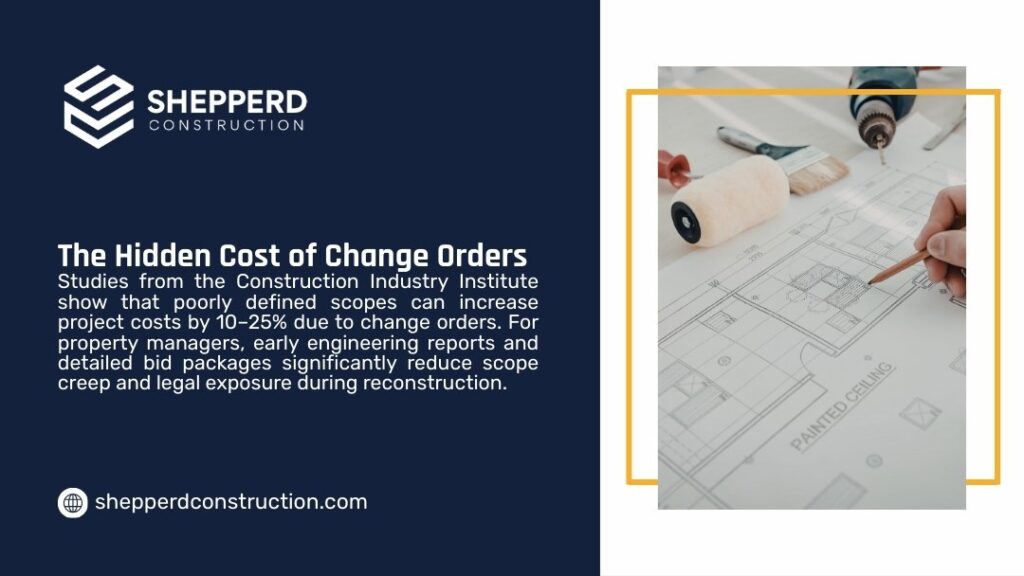
Reconstruction requires careful planning, budgeting, documentation, and coordination. According to the research, construction input costs fluctuate significantly year over year, with materials and labor volatility impacting expected costs, materials, and labor projections. That volatility alone can derail large-scale renovation projects if the property manager lacks structured oversight.
So here’s how it works. To manage a reconstruction project properly, you must approach it as structured property development project management, not routine maintenance. The difference matters. And that’s why it matters to your owners, your tenants, and your legal exposure.
What Property Managers Must Know About Reconstruction vs Routine Maintenance
Reconstruction differs from maintenance because it addresses failure, not wear. It often involves structural repair, waterproofing systems, or building envelope corrections. These projects frequently fall under property development management frameworks because they restore major components rather than patch them.
Large-scale property renovations often stem from deferred maintenance, construction defects, storm damage, or infrastructure aging. The reports show that inadequate maintenance and envelope failures cost billions annually in preventable repairs. That data underscores a simple truth: renovation requires careful planning.
If a property manager misclassifies reconstruction as repair, added costs and lengthy disruptions follow. Reconstruction projects require careful planning, budgeting, contractor vetting, and engineering review. They must be treated as structured property development and management initiatives.
Creating a Realistic Reconstruction Budget and Timeline
Creating a realistic budget is not guesswork. It requires analysis of materials, labor, permits, contingency allowances, and escalation risk. According to the Associated General Contractors of America, construction labor shortages continue to drive wage increases, directly impacting large-scale renovation projects. Below is a practical budget breakdown framework used in real estate development project management:
| Cost Category | Typical Allocation Range | Risk Considerations |
| Materials | 35%–45% | Supply volatility, specialty systems |
| Labor | 30%–40% | Skilled trades availability |
| Permits & Inspections | 5%–10% | Local compliance requirements |
| Contingency | 10%–20% | Hidden damage or code upgrades |
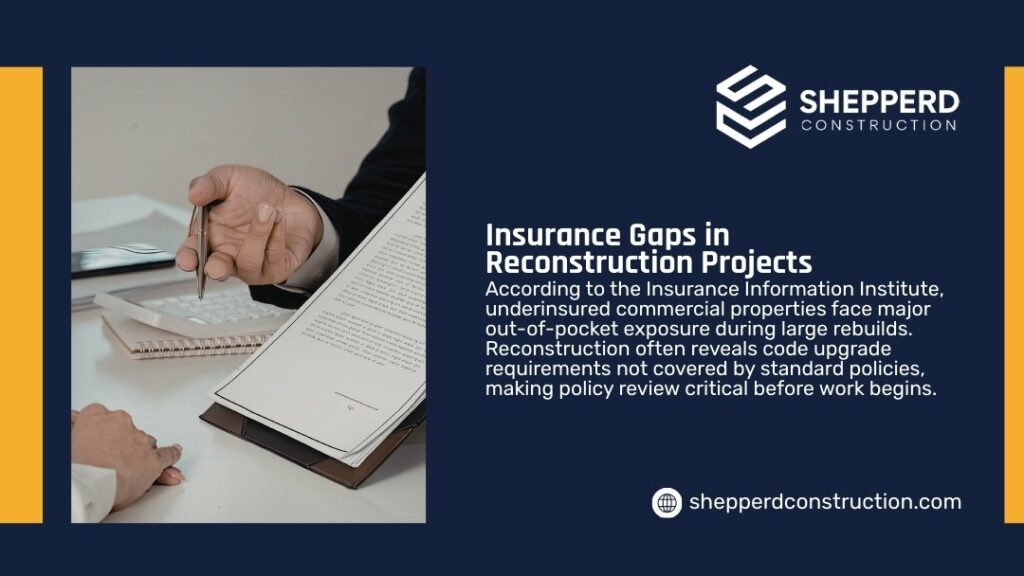
Timelines must factor in tenant occupancy. Managing tenant communication reduces complaints and avoids potential legal issues. The U.S. Department of Housing and Urban Development emphasizes compliance with accessibility and equal housing opportunity statement obligations during renovations. Miss those requirements, and the project shifts from reconstruction to liability.
So here’s what happened in many failed projects: the timeline ignored inspection delays and material lead times. The result? Added costs and lengthy disruptions. That’s preventable with structured property development management oversight.
Assessing the Building and Engaging Key Professionals
If you want to understand how to manage a reconstruction project as a property manager, start with assessment. Reconstruction rarely begins with a hammer. It begins with evaluation. That evaluation matters most when the problem starts below grade — here’s how the reconstruction process unfolds for foundation damage in an apartment complex, from forensic testing through final repairs.
Property managers often collaborate with forensic engineers to determine the scope. This phase may involve destructive testing, moisture mapping, and structural review. It mirrors professional property development and management workflows.
When selecting contractors, research several contractors and vendors. Request examples of past work. Review project portfolios. For multifamily projects, specialized partners such as experienced Reconstruction Contractors for Apartment Complexes can make the difference between organized reconstruction and chaos.
Companies like Shepperd Construction operate within reconstruction environments that demand precision. This kind of experience becomes critical when projects involve structural or waterproofing failures.
Communication Plans That Keep Tenants and Stakeholders Informed
Managing tenant communication is not optional. It determines project stability. According to a report, tenant dissatisfaction during major renovations correlates directly with lease turnover. Clear schedules, written updates, noise advisories, and defined access windows prevent friction. A property manager’s guide to communication should include weekly reporting and designated points of contact.
Large-scale renovation projects disrupt daily life. If tenants feel ignored, disputes escalate. Structured communication avoids potential legal issues and preserves occupancy rates.
Permits, Code Compliance, and Risk Mitigation
Reconstruction triggers code review. It may require structural permits, energy compliance upgrades, and ADA accessibility verification. The International Code Council outlines reconstruction thresholds that shift repair work into compliance upgrade territory.
This can help you avoid surprises. But here’s the problem: failing to anticipate compliance upgrades inflates costs, materials, labor, and permits unexpectedly.
In Texas, municipalities vary in permitting timelines. Working with experienced regional partners such as Reconstruction Contractors Dallas or Reconstruction Contractors San Antonio provides insight into local permitting patterns and inspection procedures.
Proper documentation, inspection logs, and safety oversight protect owners and property managers alike.
Sourcing and Working with Specialized Contractors
Not all contractors are reconstruction specialists. Some excel at cosmetic renovations but lack envelope remediation experience. Property managers can use our checklist covering the questions that separate reconstruction specialists from remodelers to pressure-test each bidder before a contract is signed. When evaluating bids, examine:
| Evaluation Factor | What to Look For |
| Experience | Large-scale property renovations |
| Technical Capability | Envelope, structural, waterproofing knowledge |
| Documentation | Detailed reporting systems |
| Safety Record | OSHA compliance |
| References | Multi-property portfolio work |
Property development project management requires contractors who understand sequence, staging, and occupied environments. Reviewing a contractor’s portfolio provides clarity on the complexity handled.
This is especially relevant when deciding how to choose a reconstruction contractor for large projects. Expertise matters more than low bid pricing.
Monitoring Quality, Safety, and Progress
Monitoring is not micromanagement. It is structured oversight. Weekly progress reports, photographic documentation, and milestone verification ensure alignment with the scope.
According to the Construction Industry Institute, projects with structured monitoring processes experience significantly fewer overruns. Managing large-scale property demands proactive review. If the waterproofing installation deviates from the specification, the correction costs multiply later. And that’s why it matters to implement field verification early.
Final Handover and Post-Project Review
Completion does not end responsibility. Property managers must review warranties, close permits, confirm compliance, and evaluate contractor performance.
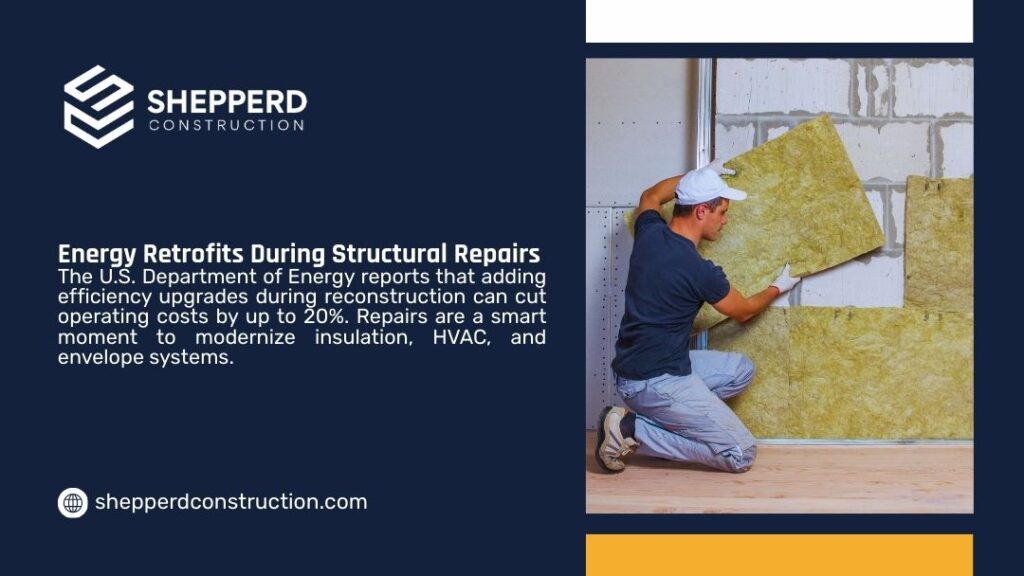
Post-project evaluation also provides insight into property to increase energy efficiency opportunities. Reconstruction can add long-term durability and rental property increase energy savings when systems are modernized.
The final phase of how to manage a reconstruction project as a property manager includes documentation retention. Records protect against future disputes and demonstrate responsible property development management.
When Reconstruction Intersects with Legal Action
Some projects evolve into litigation. In those cases, documentation integrity becomes paramount. Engineers may require data. Attorneys may require cost-of-repair documentation.
Working with experienced reconstruction teams who understand legal environments reduces risk exposure. If litigation concerns arise, consulting professionals ensures guidance from specialists who operate within structured reconstruction frameworks.
Legal sensitivity requires discretion. Proper documentation avoids potential legal issues while protecting property stakeholders.
The Bigger Picture for Property Managers
Understanding how to manage a reconstruction project as a property manager means embracing structured property development project management principles. It means anticipating costs, materials, labor, permits, communicating clearly, vetting contractors thoroughly, and monitoring performance consistently.
Reconstruction is not simply construction. It is restoration of value, protection of assets, and preservation of trust.
Property managers who treat reconstruction with discipline see fewer delays, reduced disputes, and stronger long-term asset performance. Those who underestimate it encounter added costs and lengthy disruptions.
If you’re preparing for a major reconstruction effort in Texas and need regionally experienced support, reviewing service capabilities, it may provide insight into reconstruction methodologies tailored to complex properties.
The role of a property manager in reconstruction is not passive oversight. It is active coordination. Done correctly, it strengthens the property, protects stakeholders, and supports sustained operational stability. And that’s the standard professional property development and management demands in 2026.