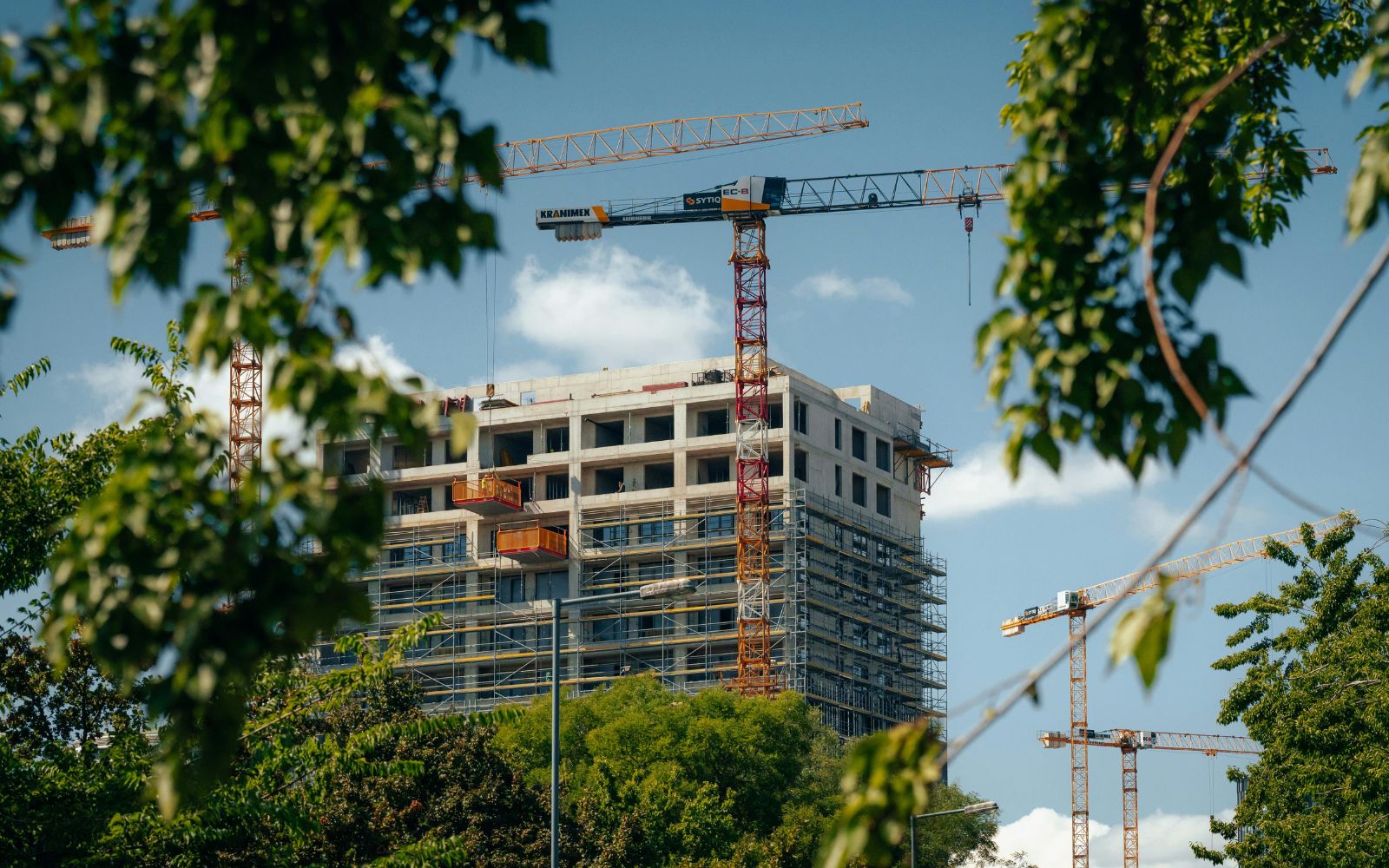
Selecting the right partner can make or break a major rebuild. When the stakes involve structural integrity, waterproofing failures, or large-scale property restoration, knowing how to choose a reconstruction contractor for large projects becomes more than a hiring task; it becomes an exercise in high-level risk management. Property owners, HOA boards, engineers, and legal teams face serious exposure when reconstruction is mishandled.
This guide breaks down how to choose a reconstruction contractor for large projects using professional evaluation standards, data-backed risk insights, contract review checkpoints, and project oversight principles. We are addressing large-scale reconstruction, not light remodeling, and providing a structured way to compare firms with genuine confidence.
How to Choose a Reconstruction Contractor for Large Projects
Understanding how to choose a reconstruction contractor for large projects starts with recognizing that reconstruction is a different beast than standard home improvement. A remodeling project might update aesthetic finishes. Reconstruction, however, often corrects structural failures, building envelope breakdowns, or systemic deficiencies. That distinction changes every part of the hiring process.
Large-scale reconstruction requires disciplined project management, clearly defined scopes of work, technical expertise across multiple trades, and the capacity to deliver under complex site conditions.
According to research, large construction projects typically run 20 percent longer than scheduled and frequently blow past budgets when oversight systems are weak. That reality explains why selecting the right reconstruction contractor is not optional; it’s a protective measure for your capital.
A qualified reconstruction contractor must demonstrate a history of performance across similar large environments. That means digging into completed projects, confirming years of experience specific to structural and envelope repair, and verifying their capacity to manage multifamily condominiums, commercial buildings, municipalities, or HOA communities.
A firm known primarily for kitchen or bathroom remodels, even one often compared online to Home Services, usually lacks the logistical infrastructure required for large-scale reconstruction.
Why Large-Scale Reconstruction Requires Specialized Expertise
Many guides about how to find a good contractor focus on basic renovation questions. They suggest checking licenses and asking for references. While necessary, that is surface-level advice for a multi-million dollar project.
Reconstruction frequently involves structural remediation, complex waterproofing assemblies, exterior cladding systems, and tight coordination with forensic engineers. Errors in this space don’t just mess up the look of a building; they compromise long-term performance and asset value.
The U.S. Bureau of Labor Statistics continues to report productivity challenges within construction sectors where rework and project inefficiencies kill profitability and trigger massive delays. Choosing the right reconstruction contractor is the best way to bypass those statistics.
In Texas specifically, the climate intensifies the stakes. High heat cycles, expansive clay soils, severe storms, and relentless humidity place unusual stress on building envelopes. According to NOAA climate data, Texas ranks among the states most affected by severe weather events annually. That environmental pressure makes proper waterproofing and material selection non-negotiable. A contractor unfamiliar with regional climate conditions may underestimate long-term performance risks.
Firms operating in markets such as Reconstruction Contractors Dallas or Reconstruction Contractors San Antonio often show greater familiarity with large commercial and multifamily scopes.
Contractors experienced with Reconstruction Contractors for Commercial Buildings typically maintain much stronger documentation systems and field supervision protocols than smaller, residential-focused companies.
Here’s the reality: experience isn’t measured by years alone. It’s measured by the complexity managed and the risks successfully resolved.

Evaluating Track Record and Completed Projects
When determining how to choose a reconstruction contractor for large projects, a track record must be verified through hard documentation, not just marketing gloss. Request comparable case studies. Review specific project types. Examine warranty practices and timeline consistency. Below is a measurable evaluation structure for your board or team:
| Evaluation Factor | What to Verify | Why It Matters |
| Years of experience | Preferably a decade or more | Demonstrates long-term stability |
| Project types | HOA, multifamily, municipal | Confirms relevant exposure |
| Scope history | Structural, waterproofing, envelope | Shows technical capability |
| On-time delivery | Documented schedules | Reflects project controls |
| Repeat client percentage | Above 60% is ideal | Signals long-term trust |
A contractor with a high repeat client ratio demonstrates consistency under pressure. Organizations that outline their experience transparently, such as those detailing their history and expertise on an about section, tend to reflect operational maturity rather than just surface-level promotion.
Questions to Ask Before Signing Any Contract
Knowing how to choose a reconstruction contractor for large projects requires asking focused, uncomfortable questions.
What questions should you ask a remodel contractor when structural remediation is involved? What questions to ask a contractor before signing a contract if there is a litigation history? These queries should center on process, supervision, and financial transparency.
Clarify how the scopes of work are itemized. Ask exactly how change orders are controlled. Determine who, specifically, will be on-site for daily supervision. Confirm the frequency of documentation. Verify whether engineers will review work at key milestone stages.
| Question Category | Sample Focus | Risk if Ignored |
| Scope clarity | Detailed line-item breakdown | Budget escalation |
| Project supervision | Assigned PM credentials | Massive delays |
| Documentation | Daily/Weekly reporting frequency | Legal disputes |
| Warranty terms | Coverage period & exclusions | Future repair costs |
| Insurance & bonding | Active, project-specific certs | Liability exposure |
These are not casual renovation questions. They are essential financial safeguards.
Communication and Oversight in Large Projects
One often overlooked factor in how to choose a reconstruction contractor for large projects involves their internal communication systems. Reconstruction impacts residents, boards, engineers, and insurers. Poor reporting invites chaos.
Research has shown that miscommunication and unclear processes contribute significantly to construction disputes and financial losses. Clear, digitized documentation reduces that exposure.
Professional reconstruction contractors implement structured update cycles, documented progress logs, and defined escalation channels. Markets often demonstrate strong digital reporting integration to maintain transparency across all stakeholders.

Contract Structure and Risk Allocation
When exploring how to choose a reconstruction contractor for large projects, the contract language is your primary shield.
The study notes that unclear construction contracts are the leading source of industry disputes. Milestone-based payment schedules, clearly defined scopes, and documented dispute resolution methods protect both the contractor and the client.
| Contract Component | Essential Detail |
| Defined scope of work | Itemized, granular breakdown |
| Payment schedule | Strictly milestone-based |
| Insurance coverage | Verified and currently active |
| Safety compliance | Full OSHA alignment |
| Dispute resolution | Clear, pre-agreed mechanism |
| Warranty | Defined workmanship period |
Contracts are designed to prevent misunderstandings long before a single hammer is swung on the jobsite.
Understanding Defect-Related Reconstruction Workflow
In some reconstruction environments, projects originate after an expert investigation identifies structural or envelope deficiencies. While the details of active litigation must remain confidential, the general workflow usually includes investigative testing, cost-of-repair development, structured documentation, and post-settlement reconstruction. Contractors familiar with this specific workflow understand how to coordinate with forensic engineers and maintain the precise documentation standards required for legal clarity.
That level of procedural discipline is exactly what separates a reconstruction specialist from a general remodel contractor.
A Practical Scenario: Why Evaluation Matters
Consider an HOA community facing recurring water intrusion. Initial repairs focused only on surface sealants. Within two years, the moisture returned, revealing deeper, hidden envelope failures. A reconstruction contractor experienced in large projects would have evaluated flashing assemblies and substrate integrity from day one. That broader assessment might have prevented repeat costs. This illustrates why selecting a contractor with envelope expertise protects your long-term investment rather than just addressing the symptoms.
Red Flags That Signal Risk
When assessing how to choose a reconstruction contractor for large projects, certain warning signs deserve immediate attention:
- Unrealistic timelines for structural remediation often indicate a lack of understanding of the scope.
- Vague pricing without itemized scopes increases your exposure to change order traps.
- Hesitation to provide documentation suggests weak internal systems.
Editorial guidance has long warned against informal agreements and incomplete contracts. That advice carries even more weight when the project budget hits six or seven figures. Trust shows up in the paperwork long before it appears on a jobsite.
Structured Comparison Model
Decision-making improves when you move from gut feeling to objective data. Use this weighted model to compare firms:
| Category | Weight (%) |
| Relevant reconstruction experience | 30 |
| Project management systems | 25 |
| Financial transparency | 15 |
| Safety compliance | 15 |
| Client references | 15 |
Applying weighted criteria encourages an analytical evaluation over a purely emotional one.
Moving Forward with Confidence in Texas
Knowing how to choose a reconstruction contractor for large projects protects your building’s structural integrity and your own financial exposure. Depth of experience, communication discipline, and climate-specific knowledge separate the qualified firms from the risky ones.
For Texas property owners, HOAs, and commercial stakeholders, selecting a contractor familiar with regional weather patterns and municipal codes strengthens both immediate outcomes and future asset value. Whether you are evaluating services in Dallas, Austin, Fort Worth, or San Antonio, prioritize firms with documented portfolios and transparent reporting.
Careful evaluation today prevents corrective reconstruction tomorrow. If you are currently reviewing options across Texas, explore professional reconstruction service capabilities and request a consultation to see if their experience truly aligns with your project’s scale.