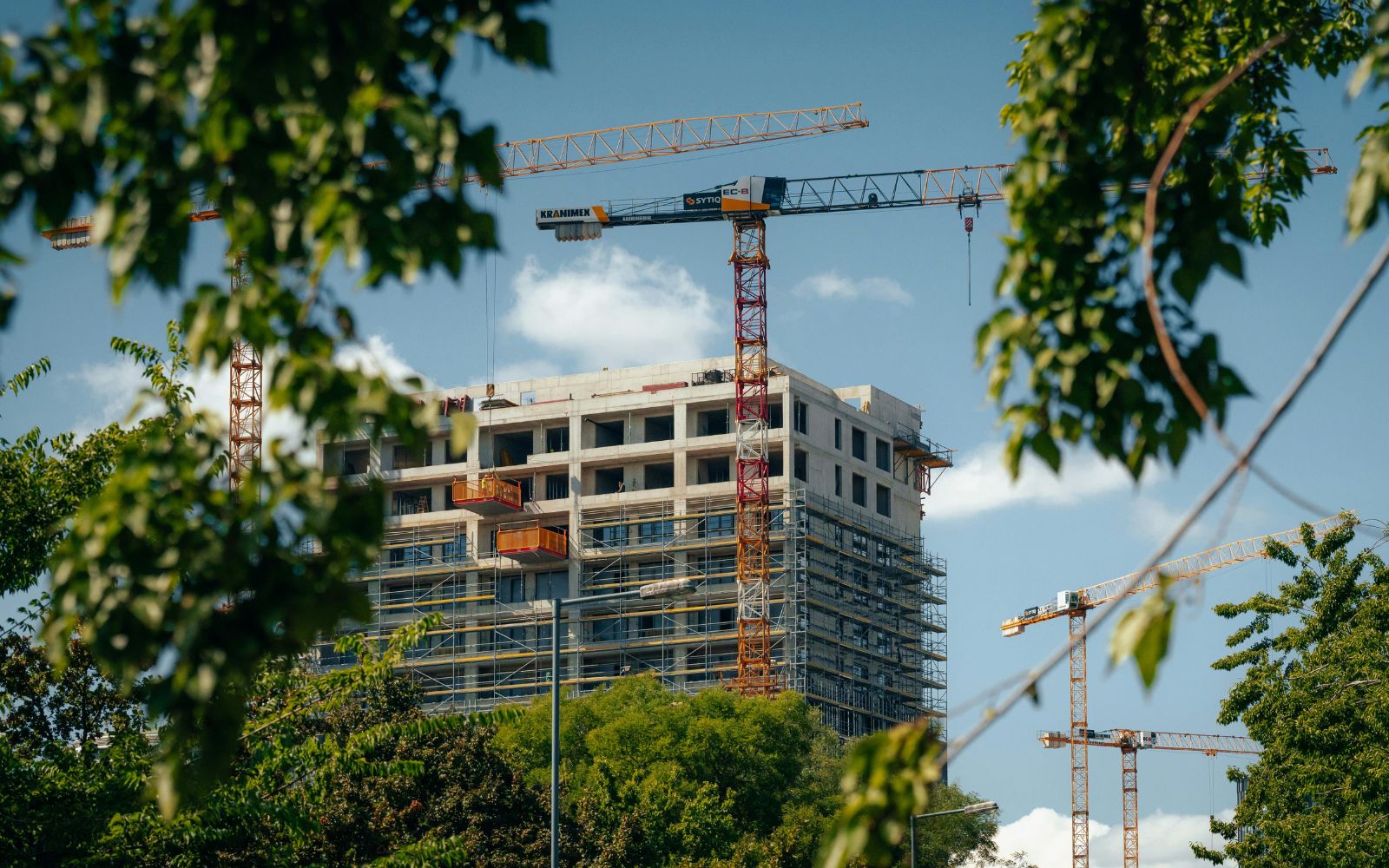
A roof leak, water intrusion, or newly discovered defect in a condo or apartment building isn’t a cosmetic remodel. Hire the wrong contractor and you don’t fix the problem, you reschedule it, usually at a higher price, with unhappy residents in between. The right questions asked up front protect both the building and the budget. This checklist is for HOA boards, property managers, and building owners who need to tell a qualified reconstruction firm apart from a general remodeler.
What Makes Reconstruction Different From a Standard Remodel
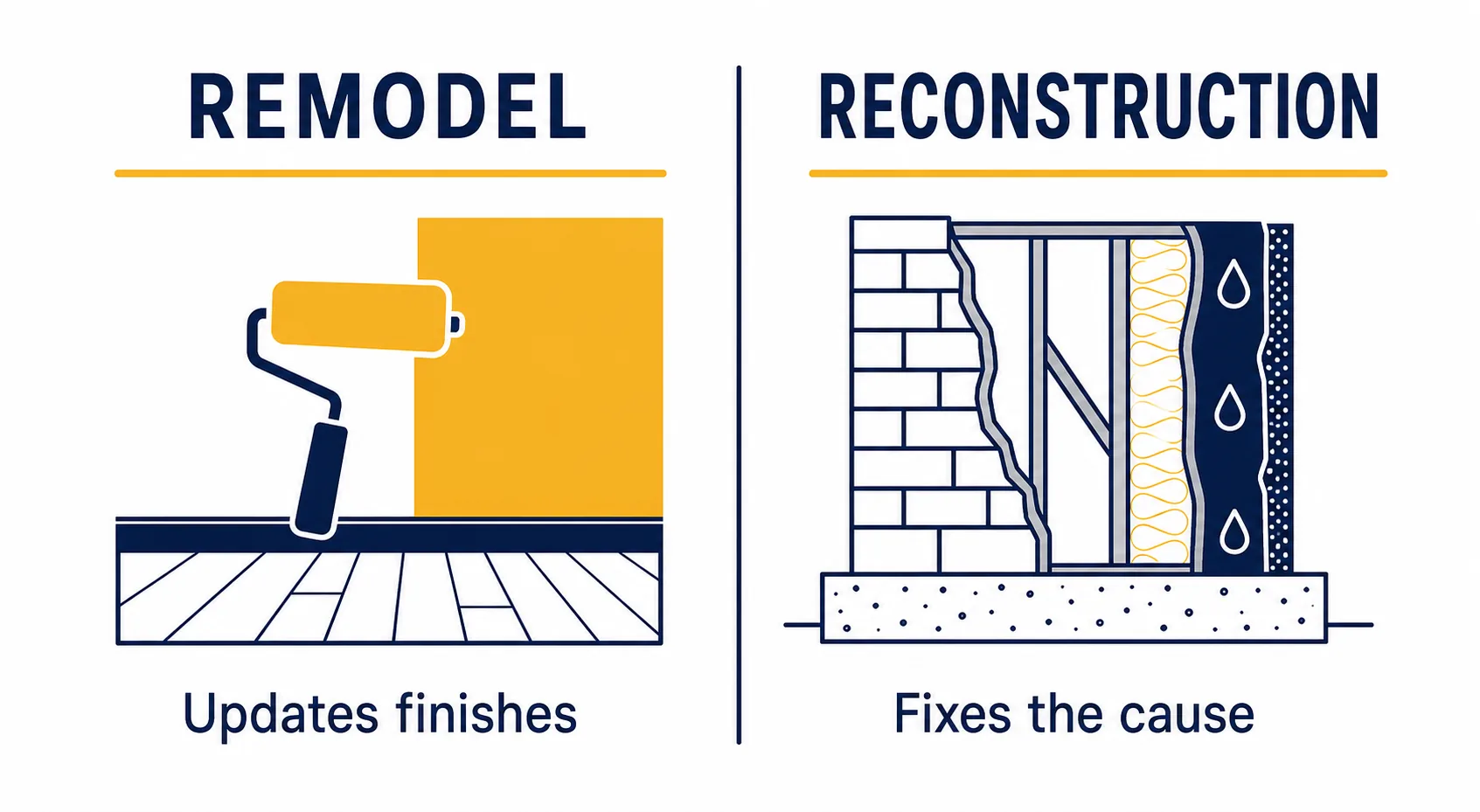
A remodeler updates finishes. A reconstruction contractor addresses why the damage happened, a structural failure, a waterproofing breakdown, a building-envelope defect, and rebuilds so it stays fixed. That distinction matters most in occupied multifamily properties, where work has to be phased around residents and coordinated with engineers and property managers. Before you weigh any single question below, it helps to understand how to choose a reconstruction contractor for large projects, because scale and occupancy change what “qualified” means.
Licensing, Insurance & Track Record, the Non-Negotiables
Start with the baseline every board should confirm in writing.
Are you licensed and insured for commercial and multifamily work?
Residential credentials don’t automatically cover a multi-building community. Ask for current general liability and workers’ compensation coverage, and confirm bonding. FEMA’s checklist for questions to ask a general contractor treats licensing and bonding as threshold items for a reason, they are the first things that separate a real firm from a risk.
How long have you been doing reconstruction specifically?
Years in business is not the same as years in reconstruction. A firm with an 11-plus-year track record focused on defect and building-envelope work has seen the failure patterns that surprise a generalist. Ask what “proven” actually looks like on their résumé.
Can you show comparable multifamily case studies?
Request projects that match yours in size, building type, and problem, not just attractive photos. Comparable work is the clearest signal that a contractor can handle your scope.
Questions About Diagnosing the Root Cause
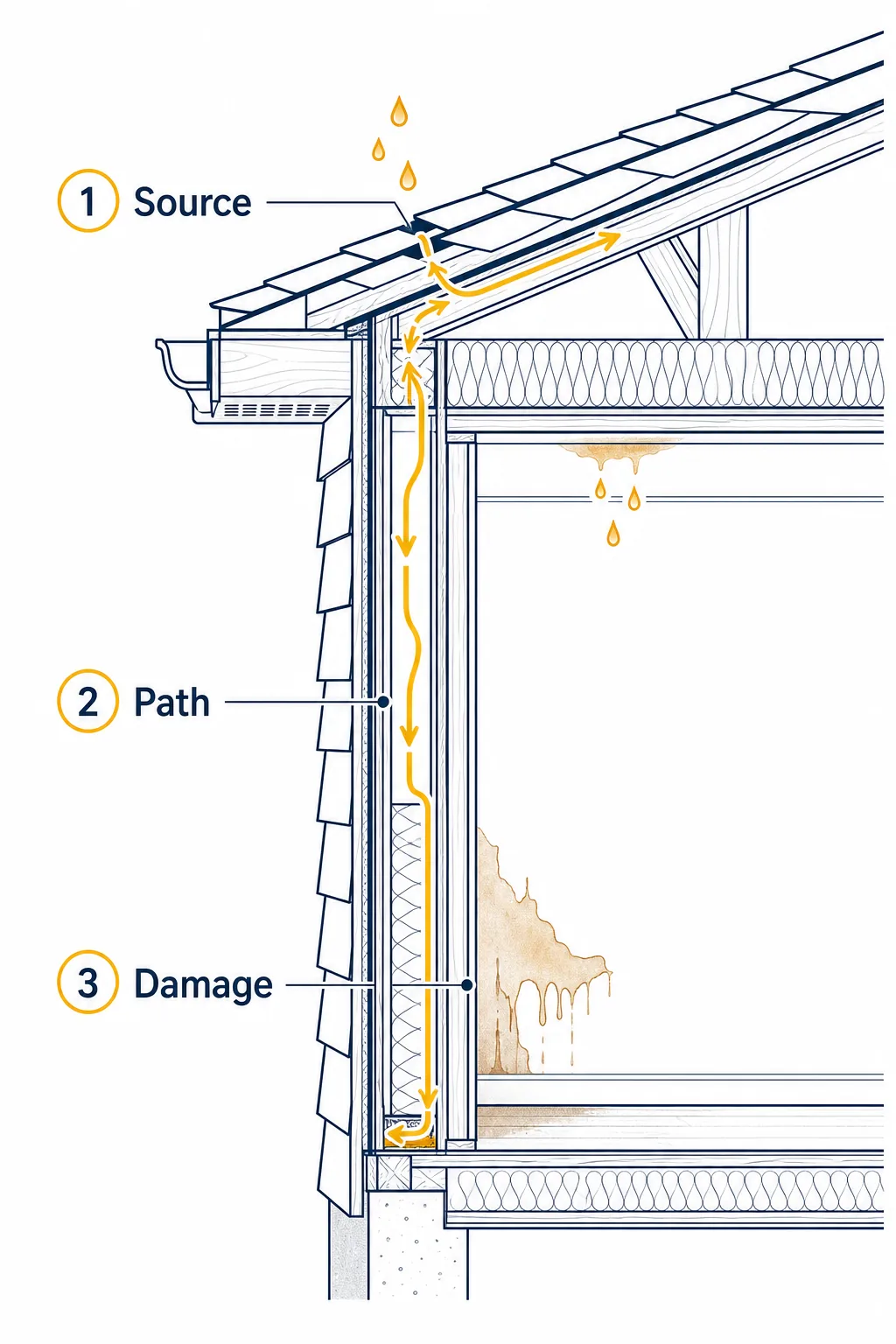
This is where specialists separate from remodelers. A reconstruction contractor should investigate the source before quoting a fix.
Ask how they identify the origin of water intrusion, whether they coordinate with forensic engineers, and how they document findings. Reading how a real source investigation works beforehand gives you a benchmark to judge the answers you get. That’s the difference between a lasting repair and the all-too-common outcome where a hurried reroof or replacement sends water into the units below. Moisture trapped inside a wall or roof assembly doesn’t stay contained, it spreads and feeds mold wherever it’s allowed to linger, which is exactly why a half-diagnosed flat-roof leak tends to come back worse.
Hire the wrong contractor and you don’t fix the problem, you reschedule it.
Scope, Timeline & Working in an Occupied Building
Will you pull permits and coordinate inspections?
A qualified contractor handles permitting and schedules required inspections rather than pushing that burden onto the board.
What’s the timeline, and how do you phase work around residents?
Occupied buildings can’t shut down. Ask how the schedule protects access, parking, and safety while work proceeds building by building.
How will you communicate with the board and property manager?
You want a defined point of contact and regular updates, not silence between invoices. Clear reporting keeps a large project from feeling like a black box.
Contracts, Payment Schedules & Estimates
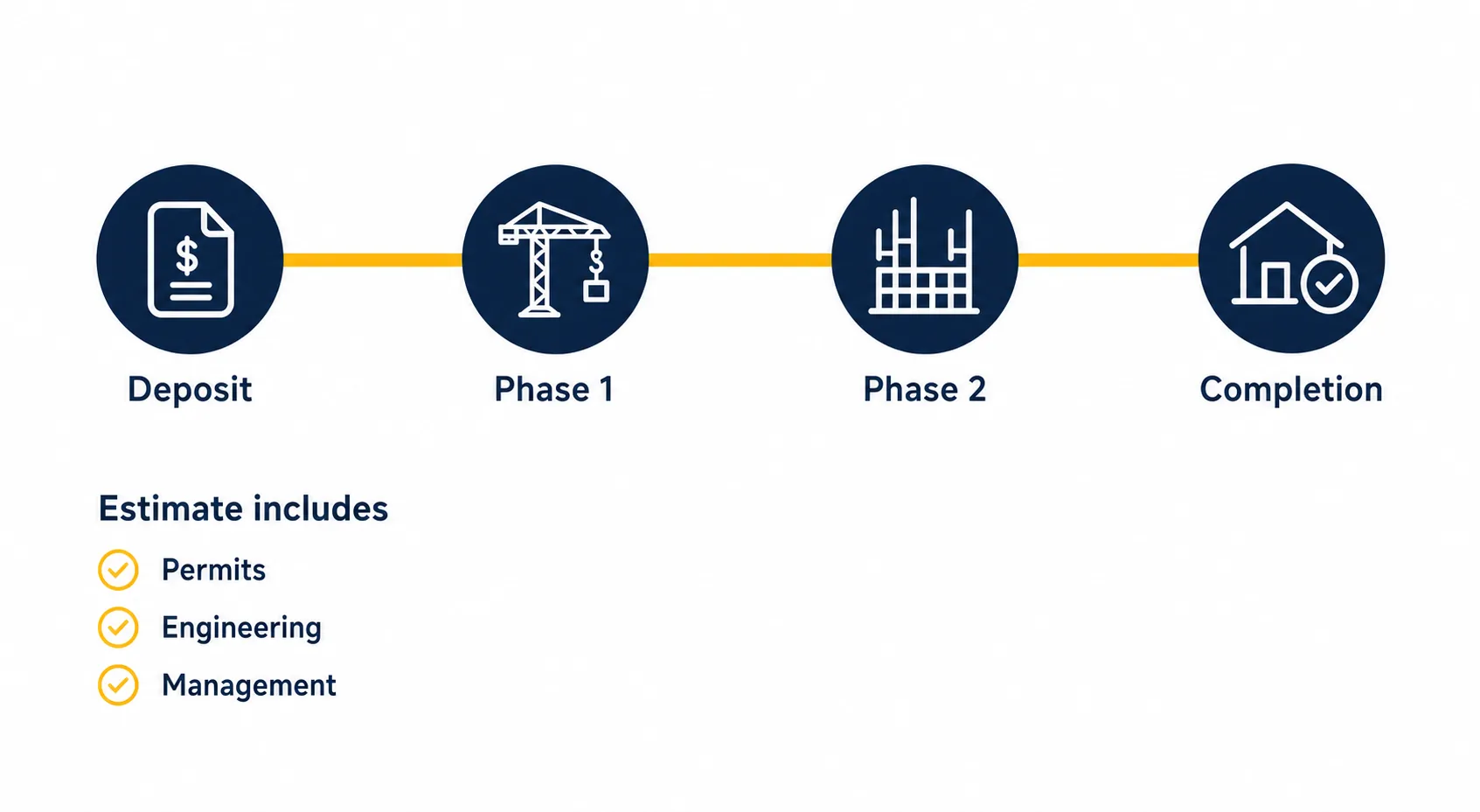
Get everything in a written contract, scope, materials, timeline, and payment schedule. Be wary of any contractor demanding a large upfront deposit; a reasonable schedule ties payments to completed milestones. A transparent estimate should fold in permits, engineering coordination, and project management rather than hiding them as later change orders. Because scope tends to grow on envelope work, confirm the estimate reflects building envelope reconstruction across Texas as a full service, not a line item.
Ask these before signing anything: Who’s actually on-site every day? How do you handle surprises mid-project? What’s the payment schedule, and …
Warranty, Standards & What Happens If the Problem Returns
Waterproofing and envelope repairs are judged over years, not weeks. Ask about the workmanship warranty, how the contractor handles callbacks, and whether repairs meet current code and manufacturer specifications. Damp, unresolved water damage carries a health cost for residents too, so a warranty that actually covers recurrence protects the community, not just the balance sheet.
Who’s Responsible? Roof Leaks, HOAs & Governing Documents
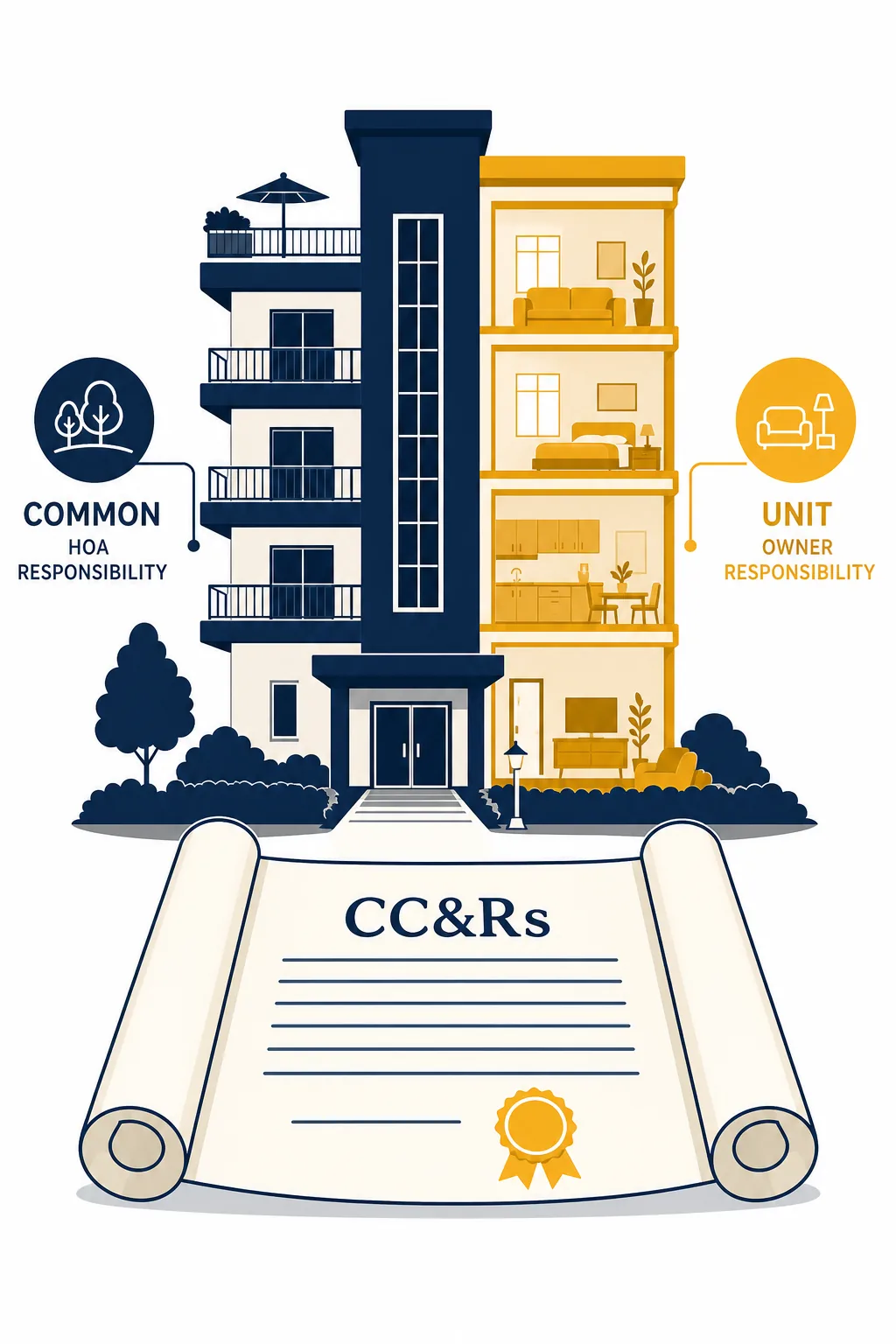
Boards and owners often ask whether the HOA covers roof leaks, or who is responsible when a condo or apartment ceiling leaks. In most communities the answer turns on the governing documents, the CC&Rs that define common elements versus limited-common or unit-owner responsibility. Confirm what your declaration says before scoping repairs, since that determines who authorizes and funds the work. This is general guidance, not legal advice; when the picture is unclear, consult your association’s counsel. Wherever the property sits, from the metroplex to our expert reconstruction contractors in San Antonio, the repair still has to solve the underlying failure, whoever ends up paying for it.
CapEx & Aging-Infrastructure Questions for Property Managers
Managing a portfolio means planning capital work, not just reacting to emergencies. If you’re weighing CapEx renovation vendors for apartment communities, ask how a contractor scopes large capital projects, sequences aging-infrastructure repairs across multiple buildings, and structures budgets so a board can plan reserves. Unresolved moisture accelerates deterioration, which is why catching envelope wear early costs far less than replacing rotted assemblies later.
People Also Ask
Frequently asked questions
What should you ask a contractor before a project?
How do you negotiate with a renovation contractor?
Does an HOA cover roof leaks?
Who is responsible for a leak in a condo ceiling?
Talk to a Team That Does This Every Day
Reconstruction rewards care, quality, and hard-won knowledge, the traits that keep a repair from becoming a repeat. Shepperd Construction brings an 11-plus-year Texas track record of solving structural, waterproofing, and building-envelope problems for owners and boards who can’t afford to fix the same thing twice. If you’re vetting contractors for a water-intrusion or defect project, reach out to our team and start with the right questions.